

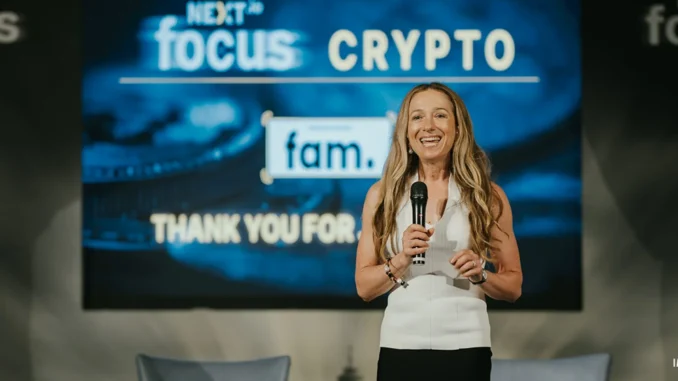

It is incredible what can happen in four years. That is how long it’s been since I’ve attended iGaming NEXT’s flagship conference in Malta, an event that has since ballooned into a one-week, multi-pronged iGaming extravaganza, attracting a vibrant mix of everything from old school iGaming legends to crypto and artificial intelligence (AI)-native 20-somethings straight out of university.
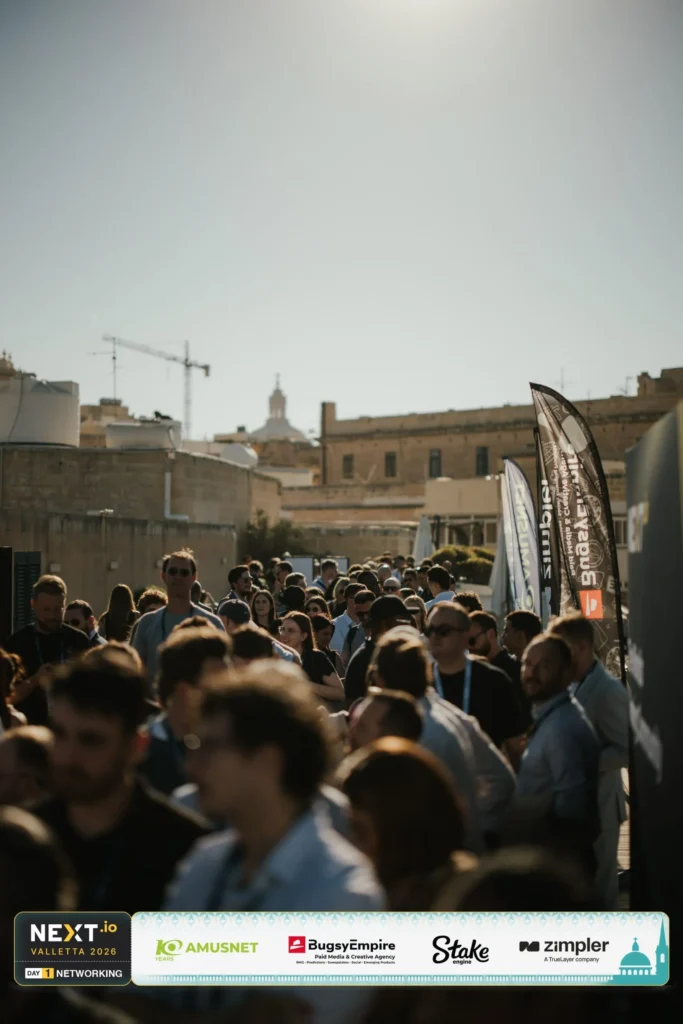
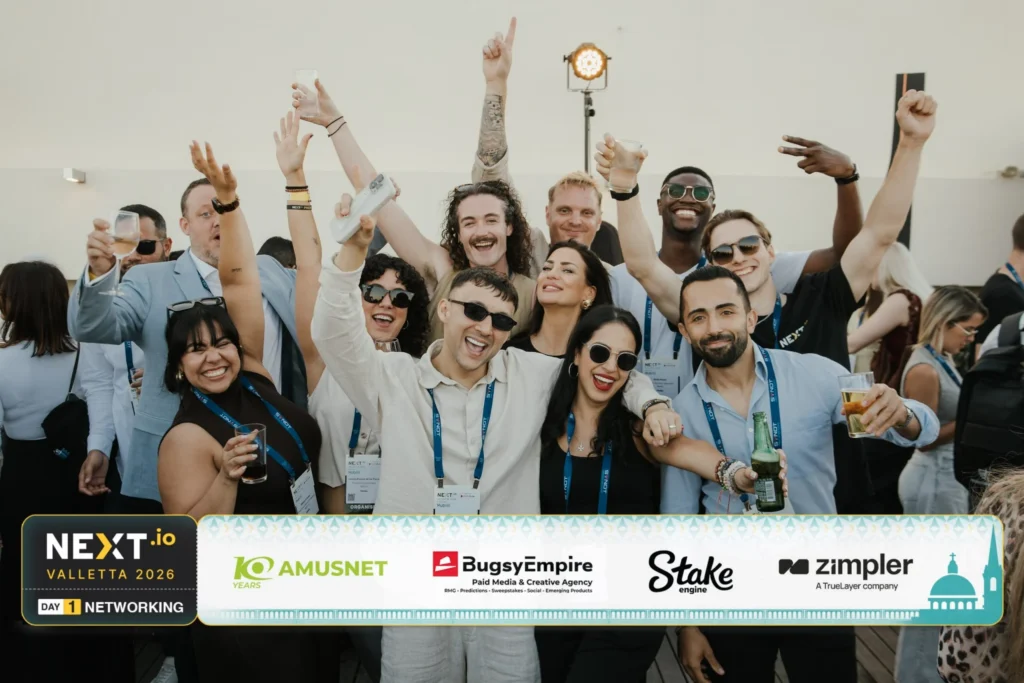
In addition to a two-day main event with over 5,000 delegates, the NEXT Valletta 2026 experience included four half-day “focus” events—prediction markets, affiliates, crypto casino, and startup/investment—an awards dinner, charity gala, pool party, infamous roof deck networking drinks, organized AM fitness, plus numerous private dinners and parties throughout the week.
It was an exceptional experience, to say the least.
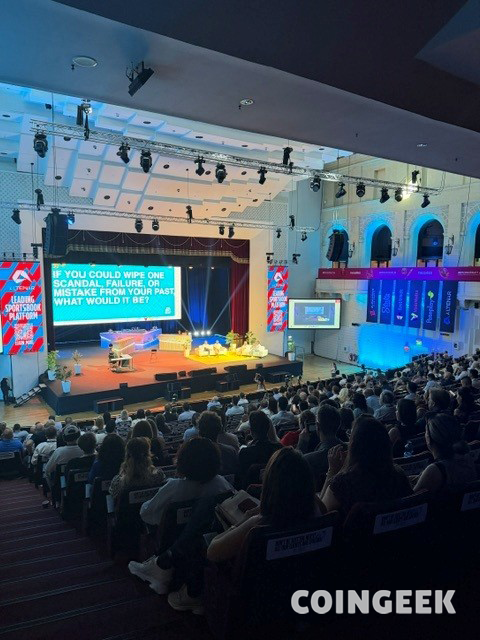
What initially caught my eye some months back was NEXT Crypto: Focus, the first dedicated crypto event for iGaming since Michael Caselli’s Bitcoin4iGaming in 2014. To me, this is a signal that the iGaming space is finally ready to adopt blockchain technology, with payments as the entry point.

Crypto casinos are by no means a new thing. Remember Erik Voorhees, Founder of Satoshi Dice, a Bitcoin gambling site from the early 2010s? Who remembers Charlie Shrem, one of Satoshi Dice’s main investors, talking about “provably fair gaming”? Roger Ver, another investor, talking about instant Bitcoin payments? These guys were on to something big, but they were at least a decade ahead of their time.
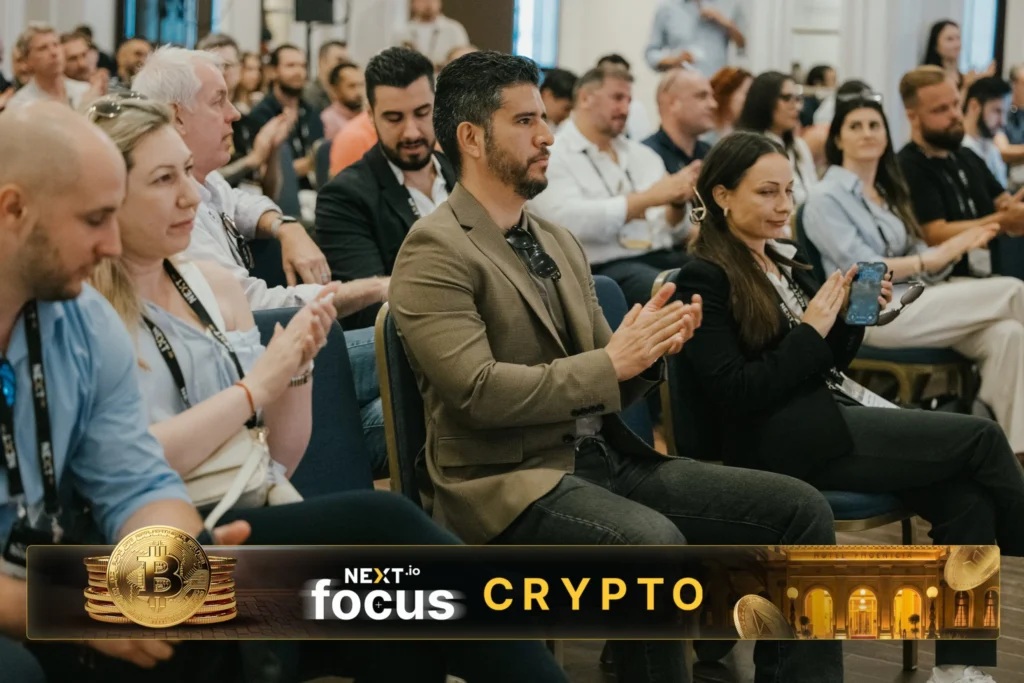
Fast forward to 2026, and we had a packed room with 100+ crypto casino operators and suppliers, mostly young people with little or no years of prior iGaming industry experience. These crypto-native professionals identified a gap in the market and have filled it with the fast-paced experiences that the players want, everything from instant payments to super speedy games.
While the benefits of blockchain technology go far beyond payments, at least in iGaming, it seems any blockchain discussion or panel always returns to payments. Within the crypto casino space specifically, I don’t see much use of blockchain tech as plumbing (yet). We’re mostly talking payments, and only player transactions are actually “on-chain”; the rest operate on traditional rails or “off-chain.”
As the chair of NEXT Focus: Crypto, I found myself taking plenty of notes while listening to the panels, especially on the crucial role of streamers in crypto casino marketing (players like to watch other players playing games, believe it or not!) and picking up new terms such as “clipping,” or chopping up long form video content into social media-friendly bite size pieces, a practice created by Anthony Fujiwara, according to Forbes.
I was surprised to learn that crypto casino players don’t really care how fancy the games are or how shiny the website is or if it’s regulated or unregulated; they simply want an entertaining experience with a community, and they want it quick.
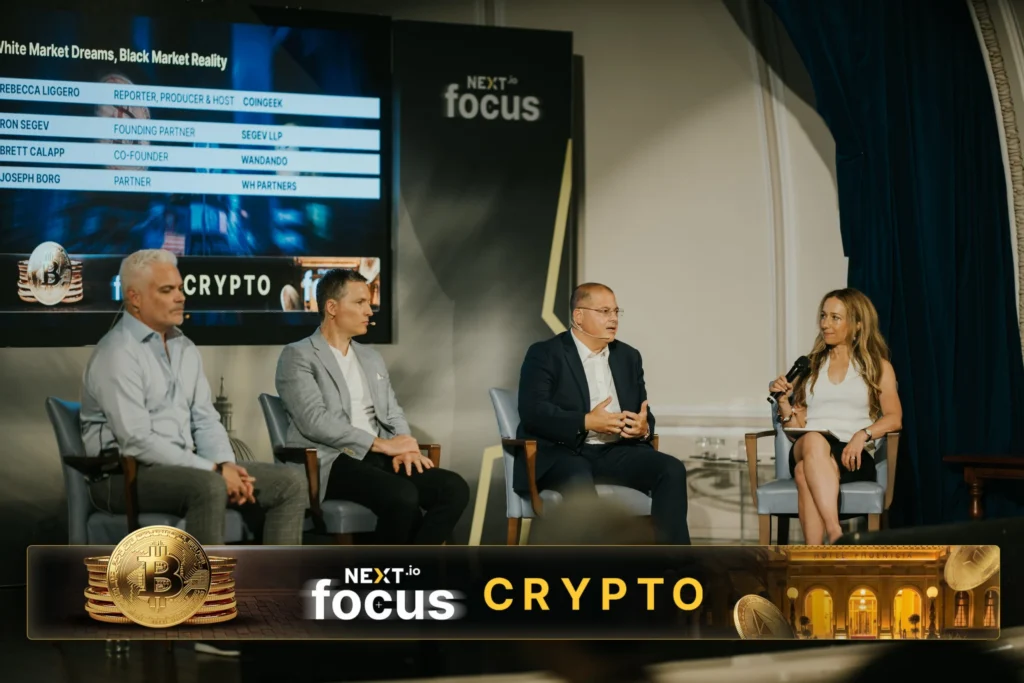
However, from the crypto casino operator perspective, as we covered during my “White Market Dreams, Black Market Reality” panel with Ron Segev, Brett Calapp, and Joseph Borg, deciding on whether to go regulated or unregulated will depend on the end goal. Does the operator want to make a quick buck right now? If so, fighting for local licenses may not be so important. Or, are they looking to get acquired eventually? Do they like to travel freely? If so, then they might want to think twice.
It’s also worth pointing out that Stake, the clear industry leader in crypto casinos, was referenced many, many times throughout the event. I think it’s worth studying what they are doing, whether you are into crypto or not. As a side note, Stake recently announced their “provably fair bet verifier,” a concept that has taken over 10 years to take off since Shrem was going on about it, as mentioned above.
In addition to taking an active role in the NEXT Focus: Crypto event, I also moderated the “Blockchain Beyond Payments” panel at the main event’s Tech Hub. This panel included three seasoned blockchain advisors, all with deep finance backgrounds: Mark Grech of ProdMark 365, Steve Wyman of RPM Gaming, and Simit Naik of Teranode Group. It was a luxury to lead the discussion amongst this informed group.
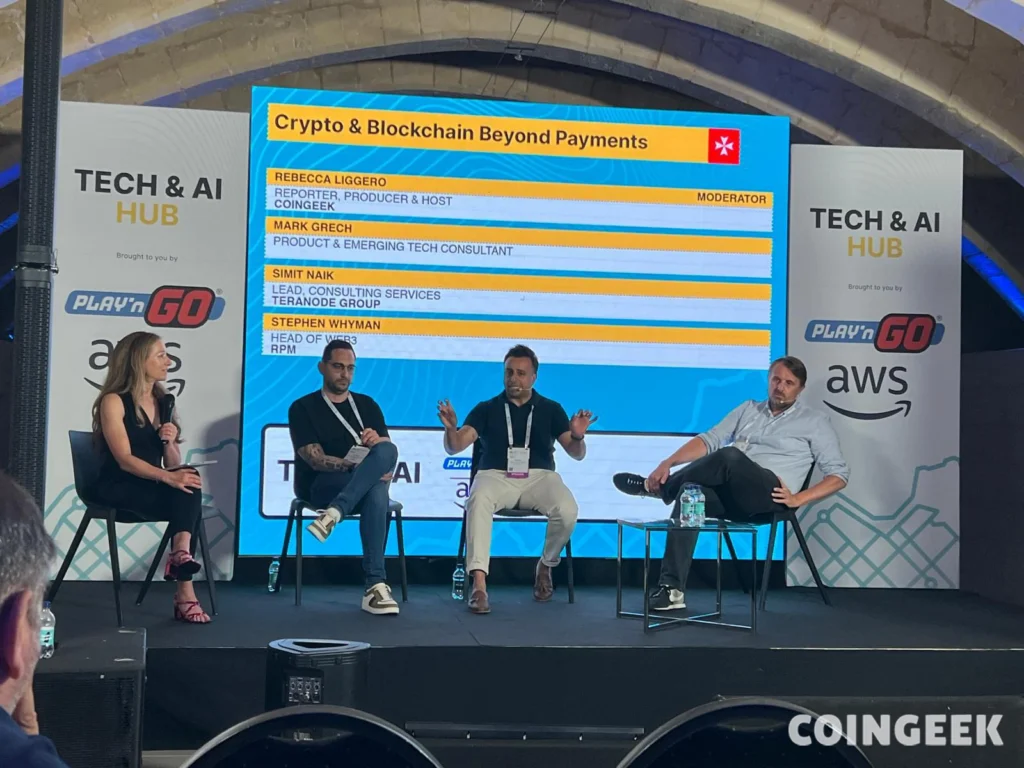
The panel explored using blockchain tech behind the scenes as plumbing, emphasizing that payments are just the beginning. The group explained how blockchain tech is used for treasury management, affiliate models, transparency, loyalty systems, identity, ownership, and more. They explained how traditional operators can adopt blockchain for operational purposes, piece by piece, without having to jump straight into a full-blown Web3 operation.
Yet after all the use cases of blockchain shared during the panel, the audience’s questions all revolved around payments, so we still have some way to go.
I’d also like to mention the popularity of prediction markets and AI Agents, two topics that were brought up time and time again all week in Malta. What stands out to me is that both of these topics tie back to blockchain; we need blockchain to provide transparency or “truth” in the price and origin of the data that forms the prediction markets, and we need blockchain to power trust in Agentic AI.
Looking back on my time in Malta, I can see how blockchain will play a major role in trust and transparency across many facets of the iGaming industry, beyond just crypto casinos. The fact that crypto casinos are emerging from the “dark side” and coming out into the light is a fantastic sign and likely the springboard to more adoption to come.
A big thank you to iGaming NEXT for spotlighting this exciting space, and I simply cannot wait to watch it unfold over the rest of the year and beyond. It really has been a long time coming.
Watch: Malta Gaming Authority: Blockchain regulation in the gambling spac



Be the first to comment