


## Market Snapshot
US-Iran Nuclear Deal by May 31 is priced at 7.5% YES, down from 9% in the last 24 hours. The Israel-Iran Permanent Peace Deal by June 30 is at 13% YES, dropping from 16% yesterday. The US obtaining Iranian enriched uranium by May 31 is priced at 5.5% YES, slightly down from 6% over the past day.
## Key Takeaways
– The leaked U.S. demands appear to decrease the likelihood of a US-Iran nuclear deal by May 31, as pricing suggests. – The demands could indicate a reduced probability of a permanent peace deal between Israel and Iran by June 30. – The expectation of the U.S. obtaining Iranian enriched uranium by May 31 appears to have decreased.

## Article Body
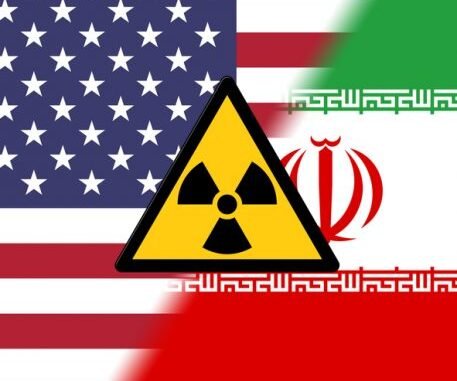
A leaked list of U.S. demands directed at Iran, reported by Fars News, outlines stringent conditions that Iran has labeled as unreasonable. The U.S. seeks the removal of 400 kg of highly enriched uranium from Iran, with only one nuclear facility to remain operational. The demands also include no reparations for the recent conflict and no release of Iran’s frozen assets. The situation is part of ongoing negotiations following the 2026 Iran war, involving multiple countries as mediators. The current fragile ceasefire remains under threat as these demands could further stall diplomatic progress.
## Market Interpretation
The market response suggests a high-impact negative effect on the likelihood of a US-Iran nuclear deal by May 31. The severe nature of the U.S. demands appears consistent with a decrease in confidence for a deal. Additionally, the potential for a permanent peace deal between Israel and Iran by June 30 also shows a moderate decline in confidence, with market participants viewing the demands as likely to exacerbate tensions rather than facilitate peace. The likelihood of the U.S. obtaining Iranian enriched uranium by the end of May also appears to diminish, reflecting the perceived unreasonableness of the demands.
## What to Watch
Observers should monitor any official responses from key actors like the U.S. President, Iran’s Supreme Leader, and the IAEA. Developments in diplomatic negotiations or military activities could further influence market pricing. Upcoming statements or actions by involved international parties, including China and Russia, could also impact the trajectory of these negotiations. The continuation or breakdown of the ceasefire will be crucial in assessing the future of diplomatic relations in the region.
Get prediction market intelligence as a structured API feed. Early access waitlist.



Be the first to comment