

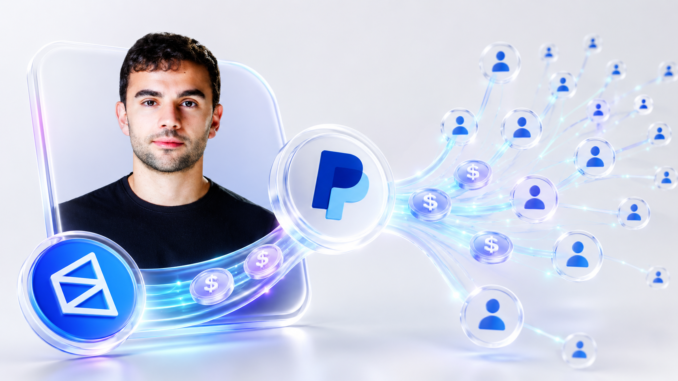

Polymarket is facing fresh scrutiny after a Politico investigation tied Chief Marketing Officer Matthew Modabber to more than $2.5 million in PayPal transfers sent from a personal account between January 2025 and February 2026.
The payments reportedly reached more than 800 recipients. At least $350,000 went to content creators, with 20 influencers later posting about Polymarket more than 490 times on X without clear paid-promotion disclosures.
The details add a new reputational and compliance issue for Polymarket, which has become one of crypto’s most visible consumer platforms through election odds, political markets and real-time prediction pricing. The company has already been dealing with wider regulatory pressure as prediction-market restrictions spread in Europe and questions around user access, identity checks and product expansion remain active.
Why The PayPal Payments Matter
Influencer marketing is not unusual. Crypto platforms, fintech apps, exchanges and prediction markets regularly work with creators to push products into mainstream audiences. The issue is whether the relationship is clear to users when content looks like organic commentary, breaking news or independent analysis.
The payment trail described by Politico raises three separate questions: why a personal PayPal account was used, whether sponsored posts were clearly disclosed, and how the payments were handled for compliance and tax purposes. Polymarket said influencer partnerships are standard business practice, but did not directly answer questions about disclosure policies, personal-account payments or tax reporting.
That silence matters because prediction-market content can shape user behavior quickly. A creator posting odds on elections, sports, crypto or political events may appear to be sharing market insight, but undisclosed compensation changes how followers should interpret the post.
Disclosure Rules Are Clear
The Federal Trade Commission’s influencer guidance says creators should disclose financial relationships with brands when making endorsements on social media. Paid relationships, employment ties, free products or other benefits can all create a material connection that users need to see clearly.
That does not automatically mean every Polymarket-related post broke the law. The facts would depend on the content, payment terms, timing, audience, jurisdiction and whether any disclosure was visible enough for users to understand the relationship.
Still, the risk is obvious. Prediction markets already sit in a sensitive regulatory category because they blend trading, politics, event contracts and gambling-style user behavior. A hidden promotion concern can give regulators another angle beyond market legality and customer eligibility.
Scrutiny Builds Around Polymarket’s Expansion
The controversy lands as Polymarket has been widening its product ambitions. The platform’s perpetuals beta pushed it closer to active long-short trading, while debate over KYC and access controls has already shown how quickly product decisions can become compliance flashpoints.
The influencer-payment issue now adds a marketing layer to that pressure. If prediction markets rely on political creators to turn odds into viral content, clear sponsorship practices become part of the platform’s risk controls, not just a public-relations detail.
For Polymarket, the immediate problem is not only the dollar amount. It is the structure. A $2.5 million personal-account payment trail, hundreds of recipients, and hundreds of undisclosed-looking posts create the kind of pattern that can attract attention from advertisers, regulators, tax authorities and competitors at the same time.
The next step is whether Polymarket clarifies its influencer policies, explains the payment process, or faces outside review over how paid promotion was handled during one of prediction markets’ fastest growth periods.



Be the first to comment