



Prediction markets are becoming “a real risk management platform for small businesses, ” Kalshi Head of Institutional Andy Ross said at Avalanche Summit. We can now “think about the risk that Main Street operators can manage” with event contracts, with risk that was previously “only available for large institutions that could buy proxy assets or something tailored or customized.”
For example, a mom-and-pop operation with an ice cream shop that wants to hedge against bad weather no longer has to short consumer stocks or negotiate with a bank on a weather derivatives deal it can now just buy an event contract that pays out when the forecast hits certain rain levels.
Regulated Order Books Meet On-Chain Rails
Now that Kalshi is a CFTC-regulated designated contract market listing contracts on CPI, Fed decisions, GDP, weather, and travel disruptions. That status distinguishes it from offshore crypto platforms like Polymarket on Polygon, which uses UMA’s optimistic oracle for settlement. Both models are converging toward a hybrid future where regulated order books provide compliance, and blockchain rails provide distribution.

Source: Reuters
Avalanche is central to that convergence. Its high throughput and customizable subnets make it suitable for event settlement and DeFi composability, allowing developers to integrate outcomes into treasury management and automated hedging for DAOs. The thesis is that any verifiable event can become a hedgeable risk, accessible via API or wallet. Institutional infrastructure is catching up.

Source: LinkedIn
In September 2026, BMLL Technologies added Kalshi’s historical order book data to its dataset used by systematic hedge funds. The integration lets institutions backtest how event probabilities around CPI and FOMC decisions behave intraday and whether prediction market pricing leads moves in equities, Treasuries, and crypto perpetuals.

Source: Global Business and Finance Magazine
Also Read: Robinhood Adds 1 Venue for Football Prediction Markets Trading
From Theory to practice
Conference hedge is here July 2026, NEXTPredict completed what it called the world’s first conference hedge through Kalshi by hedging $3 million in mass flight cancellations. A GlobeNewswire release notes the firm paid a $12,000 premium with Susquehanna as market maker.
The trade illustrates why prediction markets attract firms: Unlike insurance that pays out only after experiencing a loss, event contracts are parametric and settled automatically once a trigger occurs, eliminating moral hazard and reducing barriers that have long kept small firms out of CME weather futures or ISDA swaps through low notional value and transparent pricing.
Crypto’s conclusion is structural. Prediction markets may turn blockchain from a speculation tool into infrastructure for protecting against real-world events, with developers on Ethereum, Avalanche and Solana basing treasury hedging on event data.
Also Read: CFTC Warns Prediction Markets Over American-Style Betting Odds
What’s Next for Business Adoption Despite momentum
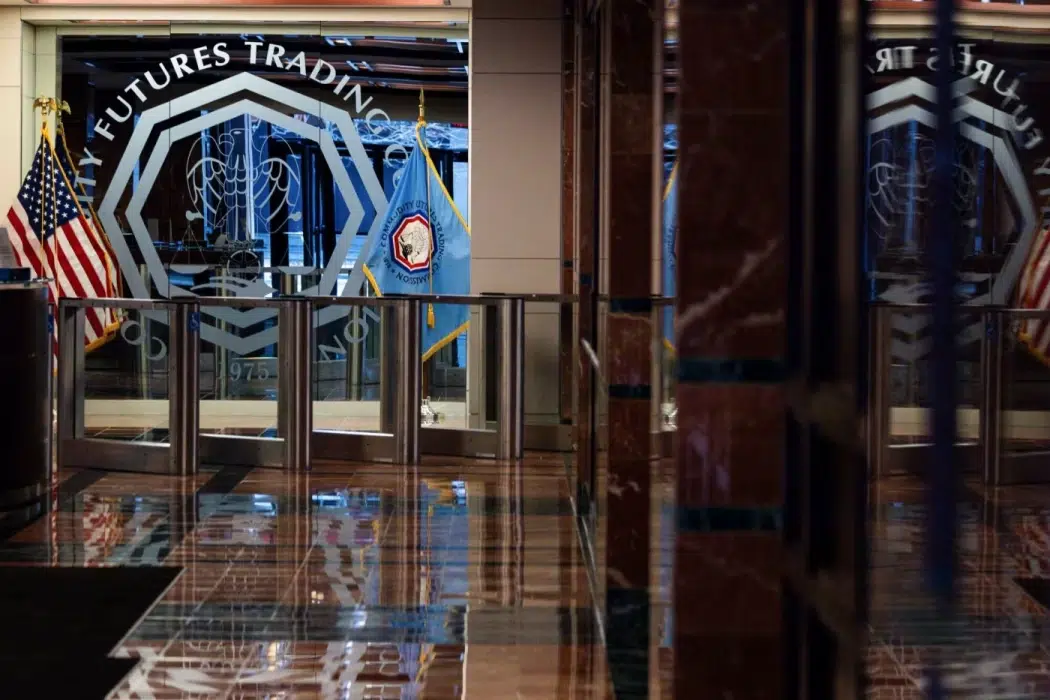
Liquidity tends to concentrate around major events like Federal Reserve decisions and elections, while more localized markets, like those focused on city-level weather, remain relatively illiquid. Regulatory oversight is still developing, with the CFTC examining contracts that may resemble gaming and raising questions about tokenized wrappers.
Source: WSJ
Issues like oracle reliability and tax classification add further complexity for on-chain implementations. The next stage will depend on distribution and data. As BMLL makes Kalshi’s historical data available to quantitative traders, more funds are expected to trade based on event probabilities.
Integrating prediction markets into fintech applications and small business banking could make hedging as common as processing card payments. If this integration is successful, prediction markets might follow the path of FX hedging in the 1990s, evolving from a tool used mainly by large corporations to a standard practice for small businesses managing routine uncertainty in volatile markets.
Also Read: Prediction Markets Face New CFTC Rules and State Legal Pressure


Be the first to comment