

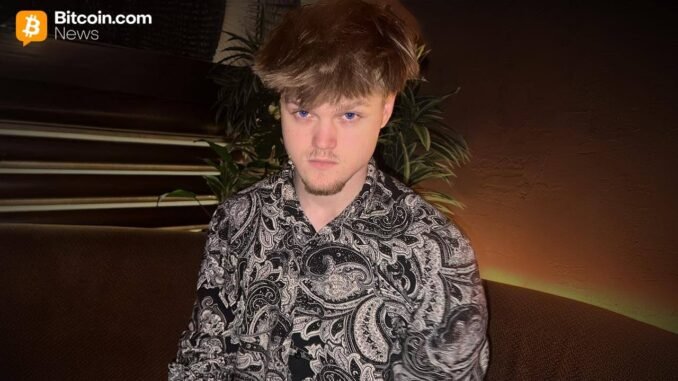

Key Takeaways
- A 2024 Coinwire study reveals 76% of X influencers promoted meme coins that collapsed into obsolescence.
- Mega-influencers with 200,000+ followers saw catastrophic 89% negative returns on their 90-day promotions.
- Quantmap’s Ivan Patriki predicts that by 2031, audience trust will outweigh simple follower counts on TikTok.
The Collapse of Influence
A study conducted in late 2024 pulled back the curtain on the “shill culture” permeating the Web3 ecosystem after revealing that a staggering 76% of X-based influencers leveraged their platforms to promote meme coins that have since collapsed. Even more damning, two-thirds of these digital assets are now deemed functionally worthless, leaving retail investors holding the bag for liquidated projects.
The study further highlighted a bizarre inverse relationship between popularity and performance. Personalities with followings exceeding 200,000 yielded the most disastrous outcomes, with their calls resulting in an average 89% loss within a mere 90 days. These catastrophic returns underscore a dangerous reality: Many of these high-profile figures possess significant social reach but lack even the most foundational financial credentials.
For critics and financial watchdogs, these figures serve as a definitive smoking gun for the necessity of stringent investor protection laws. The unchecked dissemination of speculative advice has prompted a legislative counter-offensive in key global markets like the United Arab Emirates and the United Kingdom.
However, just as regulators begin to get a grip on human influencers, the goalposts have shifted. The rise of artificial intelligence influencers is creating a legal quagmire, as these digital entities can churn out vast quantities of financial advice with 24/7 persistence, often operating across jurisdictions and lacking a physical identity to hold accountable.

Identifying the ‘Bot’ Factor: Tips for Investor Safety
This technological evolution complicates the enforcement of consumer protection laws, as regulators struggle to assign liability to a line of code in the same way they would a human bad actor. Still, experts like Ivan Patriki, co-founder of Quantmap, believe there are ways users can determine if their favored influencers are real humans or bots created to steal from them.
According to Patriki, one obvious way of doing this is by mandating that creators with tens of thousands of followers verify their accounts with a government ID. Though the fix amounts to an erosion of online privacy, it is fairly simple, and Patriki believes platforms like Instagram and Tiktok will be implementing this in a few years.
In the absence of such measures, the Quantmap co-founder believes prospective investors can still protect themselves by checking an influencer’s “engagement cross-platform.”
“If the creator is only on one platform, it means their follower count might be botted. If they have no Discord or Telegram community, it means their fanbase isn’t strong,” Patriki warned. “And if they’re conspicuously missing any long-form content on YouTube, they’re either not interested in such an important factor in nurturing the audience, or their AI would get exposed if they created anything longer than a 15-second video.”
AI can still be useful in a positive way because it enables influencers to answer nuanced, context-specific questions at scale, even if they have zero knowledge of the subject. However, as Patriki points out, “financial advice requires accountability,” which is not possible if an AI clone operating under someone’s brand gives guidance on a portfolio.
“I think the responsible path is transparency. Clearly disclosing when a response is AI-generated, constraining the AI to educational frameworks based on your content, and ensuring a human review layer exists for high-stakes queries,” the co-founder advised.
The Shift Toward Nano-Influencers
While many Web3 companies have used mega-celebrities to promote their respective platforms and products, there has been a palpable shift toward nano-influencers. This is because they have something celebrities fundamentally cannot manufacture: a genuine community where people feel involved.
For brands looking to make an impact, nano-influencers are preferable because they connect significantly with their audience compared to a celebrity whose audience “passively scrolls past.”
With respect to regulation, Patriki argued that unless there is enforcement at the platform level on disclosure laws—such as the “three-second rule”—influencers will simply ignore them.
“Until there’s enforcement on the platform level, it doesn’t make much of a difference what India or the EU is considering to mandate on American platforms,” the co-founder insisted.
Turning to the future, Patriki expects the influencer marketing ecosystem to become overblown with gambling, fake engagement, and undisclosed ads. However, he expects more creators focused on building genuine followership to emerge. In five years, the most valuable thing a creator will own is not their follower count on one platform, but the trust their audience places in their judgment and the reach they have across many platforms.





Be the first to comment