



SEI Network is expanding its role in tokenized finance by supporting institutional investment products associated with six major asset managers, including BlackRock, Apollo, Brevan Howard, Hamilton Lane, Nomura’s Laser Digital and Ondo Finance.
The development strengthens Sei’s real-world asset (RWA) ecosystem, although access restrictions and actual investor demand will determine how much economic activity these products generate on the network.
Six Asset Managers Expand Tokenized Fund Access on Sei
Sei’s institutional fund ecosystem includes products linked to traditional finance firms across government debt, private credit and alternative investment strategies.
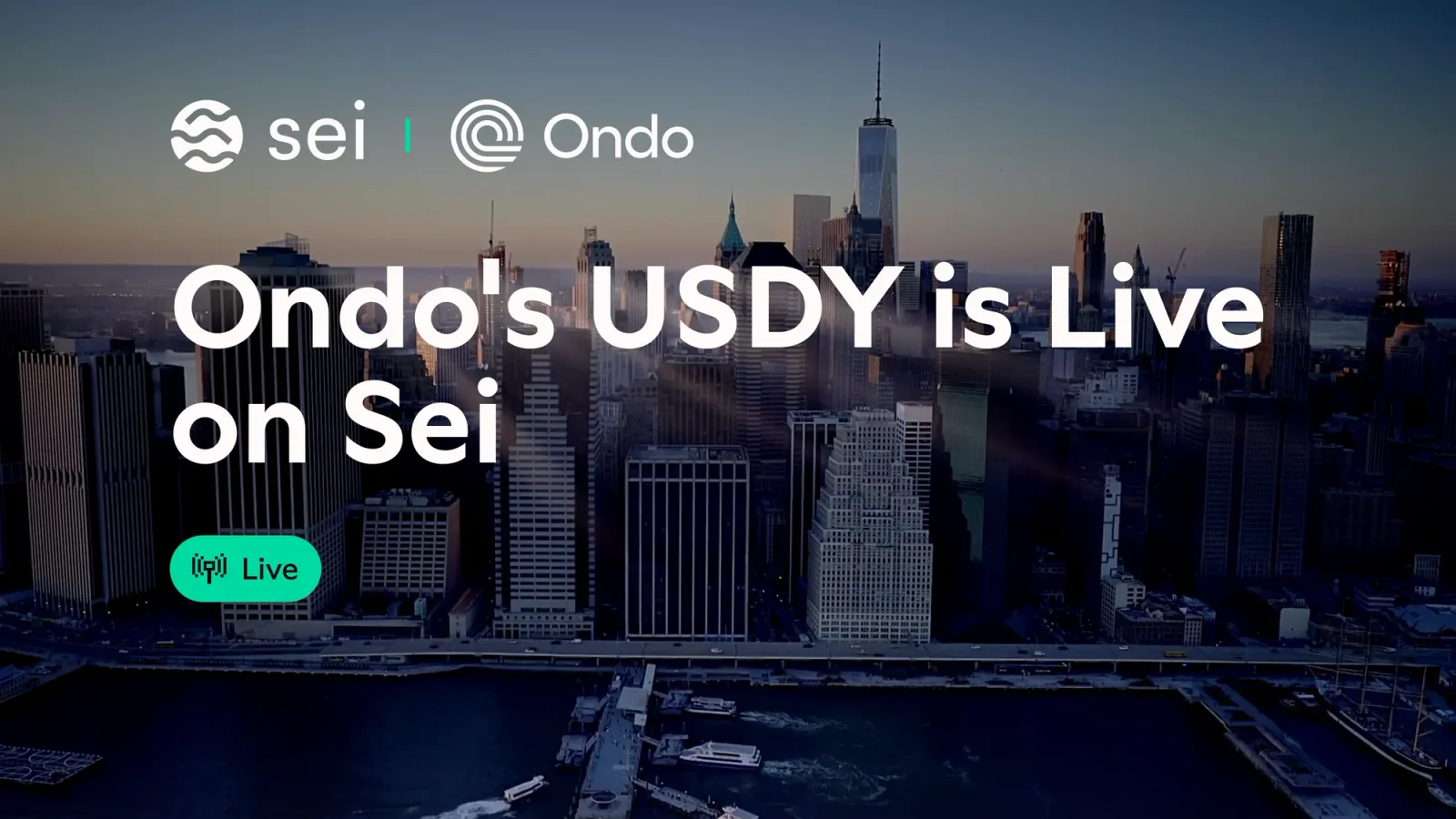
According to Sei’s announcement on Ondo’s USDY launch, Ondo’s tokenized Treasury-backed product joined an ecosystem already hosting offerings associated with BlackRock, Apollo, Brevan Howard, Hamilton Lane and Laser Digital. These integrations are facilitated through tokenization and distribution infrastructure rather than representing six funds directly issued by the network.
The distinction matters because tokenized funds represent interests in underlying investment vehicles, not ownership of the blockchain itself. The network provides the settlement infrastructure, while fund managers and specialized platforms handle product issuance, administration and investor eligibility.
The network’s growing list of integrations could make it more attractive for financial applications that require onchain settlement, but listings alone do not establish how much capital investors have deployed.
Also Read: SEI Perpetual Futures Gain CFTC Certification for US Trading
BlackRock’s BUIDL and Ondo Treasury Products Add Utility
BlackRock’s USD Institutional Digital Liquidity Fund, commonly known as BUIDL, is a tokenized fund that invests in cash, US Treasury bills and repurchase agreements. Ondo’s USDY, meanwhile, is backed by short-term US Treasuries and bank deposits and is designed to provide eligible holders with dollar-denominated yield exposure.
These products illustrate how blockchain infrastructure can support financial assets beyond cryptocurrencies, including instruments traditionally accessed through established financial intermediaries.
However, tokenization does not mean unrestricted access or guaranteed liquidity. The network’s institutional fund announcements describe offerings distributed through platforms such as KAIO, with access generally limited to institutional and accredited investors. Eligibility checks, transfer restrictions, product terms and available counterparties can all affect whether investors can buy, sell or use these assets in other onchain applications.
Sei’s RWA Strategy Depends on Real Capital Deployment
The expansion builds on earlier integrations. In October 2025, the network announced that KAIO had brought BlackRock and Brevan Howard tokenized fund offerings to the network, while Hamilton Lane’s Senior Credit Opportunities Fund access product also launched through the infrastructure.
Sei’s Hamilton Lane announcement described the offering as intended for institutional and accredited investors. The newer Ondo integration broadens the range of tokenized assets available through the network’s ecosystem.
The next measure of progress is not simply the number of brands involved, but the capital held in these products and the transactions they generate. Growth in tokenized fund balances, transfers and related decentralized finance activity would provide stronger evidence of adoption than partnership announcements alone.
Investors should also distinguish the value of assets represented on the network from direct demand for the network’s native token, because tokenized funds can attract capital without necessarily requiring sustained purchases of the token.
SEI Price Weakness Highlights the Adoption Gap
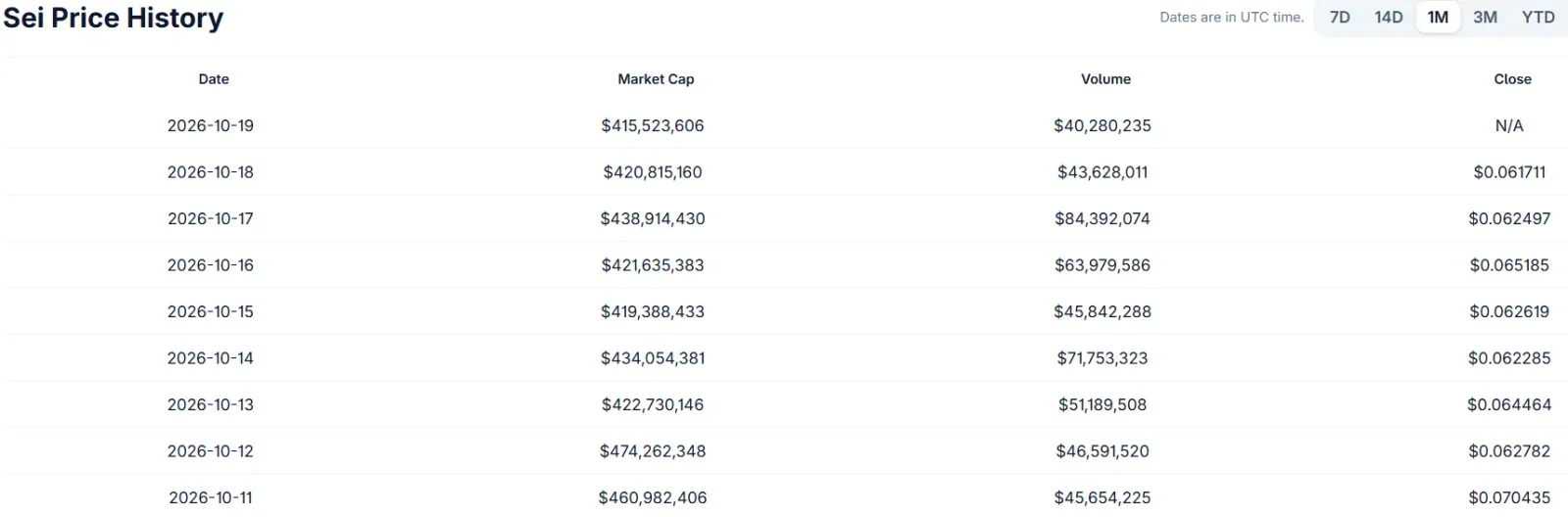
Market data showed SEI trading near $0.060 on October 19, below approximately $0.0705 on October 11. That represents a decline of roughly 14% over the period, suggesting the token had not sustained its earlier price levels despite the broader institutional-asset narrative.
The price comparison does not prove investors are ignoring the fund integrations, but it does show that ecosystem announcements alone have not guaranteed a market rebound. Historical The networks market data provides context for tracking subsequent price and volume changes.
For the blockchain network, the longer-term test is whether institutional products generate recurring network usage and liquidity rather than remaining isolated tokenized holdings.
More activity could support the network’s positioning as infrastructure for onchain finance, while limited participation would weaken the case that fund integrations are translating into meaningful adoption. The network price, network activity and publicly reported fund assets will therefore be important indicators to monitor.
Also Read: SEI Price Eyes $0.06 Recovery as Giga Upgrade Advances



Be the first to comment