

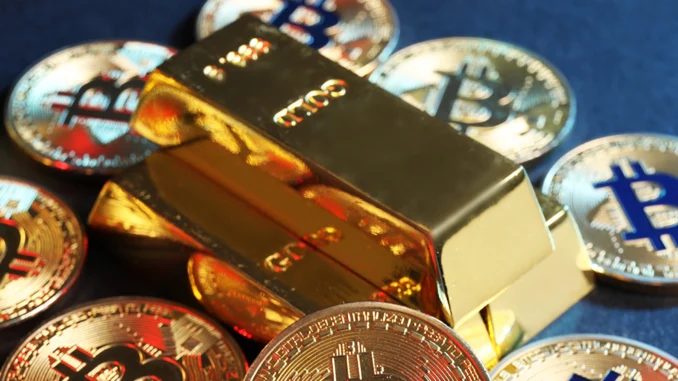

Taiwan is looking to capitalize blockchain technology in improving the trade efficiency and portfolio flexibility of its gold market, which is recognized to be one of the most abundant in the Asian region.
Restructuring the local gold market was a major topic of discussion at the 2026 Precious Metals RWA Tokenization Forum hosted by the Bank of Taiwan, where chairman Ling Jong-yuan announced to nearly 100 attendees from the financial sector and related industries a central bank initiative to explore gold tokenization using blockchain technology.
Blockchain technology is now being utilized as a pivotal tool in transforming cross-border payments and traditional finance (TradFi). Various markets are getting their hands on the decentralized ledger to diversify their offerings, with asset tokenization becoming a fundamental method in modern finance these days.
Recognized as the 4th country in Asia with the highest gold reserves t 423.94 tons as of the fourth quarter of 2025, Ling said Taiwan will use gold as an entry point for adopting tokenization, with the central bank planning to expand its exploration to other precious metals.

Bank of Taiwan’s latest move has gained the support of forum participants, who emphasized that blockchain’s capabilities to reduce storage constraints, liquidity, and transaction costs will be significant in reshaping the country’s gold market.
Despite their support, attendees pointed out that robust regulatory frameworks, custody systems, compliance design, and institutional adjustments would be critical to the further development of this initiative, local daily Taiwan News reported.
Ling has acknowledged this in her address, noting that tokenizing real-world assets (RWAs), such as gold, will require combined efforts between the government, central bank, and the private sector. She also assured participants that supporting this financial innovation will prioritize risk management and legal compliance.
Tokenizing the multi-trillion-dollar gold market will not only promote financial inclusion by allowing investors to buy tiny fractions of the precious metal, but will also help reshape the operating model of banking institutions, said Ling.
Through blockchain, Ling explained that banks will no longer be mere intermediaries, holding and managing assets on behalf of customers, as their role is shifting to becoming participants in the new digital ecosystem.
Watch: Blockchain revolution in big banks



Be the first to comment