


## Market Snapshot
Strait of Hormuz Ship Transit market shows a significant decrease in YES pricing, with current odds at
## Key Takeaways
– Recent tanker actions suggest heightened risk and instability in the Strait of Hormuz, consistent with a decline in YES outcome probability. – Market pricing reflects increased skepticism about reaching the 20-ship transit target by May 31, as evidenced by a sharp drop from 69% to 46% YES. – The disabling of trackers by tankers aligns with ongoing disruptions, reducing confidence in a return to normal traffic levels by the specified date.

## Article Body
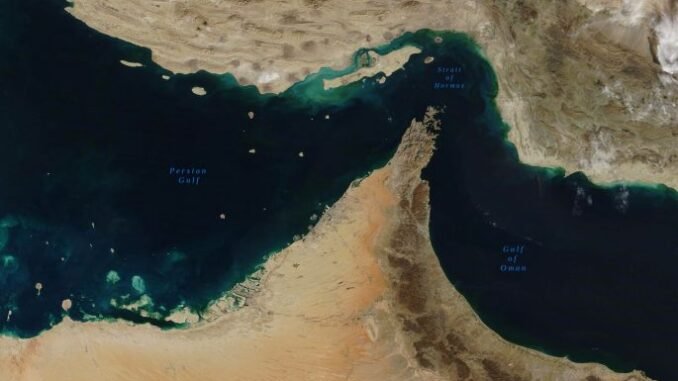
Three oil tankers reportedly traversed the Strait of Hormuz with their Automatic Identification System (AIS) trackers disabled, aiming to avoid potential attacks amid rising tensions. This development comes in the wake of a series of US and Israeli strikes on Iran, contributing to the complex geopolitical landscape influencing the region. The Strait of Hormuz, critical for global oil transport, has seen significant disruptions since its closure in early March 2026, with only intermittent reopenings. The latest actions by tankers underscore the precarious security environment, as operators navigate through IRGC-controlled waters amid ongoing threats. This situation complicates efforts to restore normal transit conditions in one of the world’s most vital maritime chokepoints.
## Market Interpretation
The news of tankers disabling trackers is considered a high-impact event, further destabilizing the region and pricing supportive of a NO outcome for the market predicting 20 ships transiting the Strait of Hormuz by May 31. The market’s reaction, with a notable drop in YES pricing, suggests participants view the current environment as increasingly hostile to achieving the required transit numbers.
## What to Watch
Observers should monitor further developments in US-Iran relations, particularly any announcements regarding military or diplomatic actions. Key actors such as General Dan Caine and Sultan Al Jaber may provide insights into the likelihood of shifts in maritime operations. Additionally, updates from international bodies, including the IMF and BIMCO, could indicate changes in risk assessments and operational guidelines for shipping in the region.
Get prediction market intelligence as a structured API feed. Early access waitlist.



Be the first to comment