



Bitcoin ATMs let you buy or sell Bitcoin and other cryptocurrencies with cash or a card at a physical kiosk, without needing an account on an online exchange. You insert cash or swipe a card, scan your wallet’s QR code, and the machine sends crypto directly to your wallet.
According to CoinATMRadar, more than 27,900 of these machines now operate worldwide, with the largest concentration in the United States.
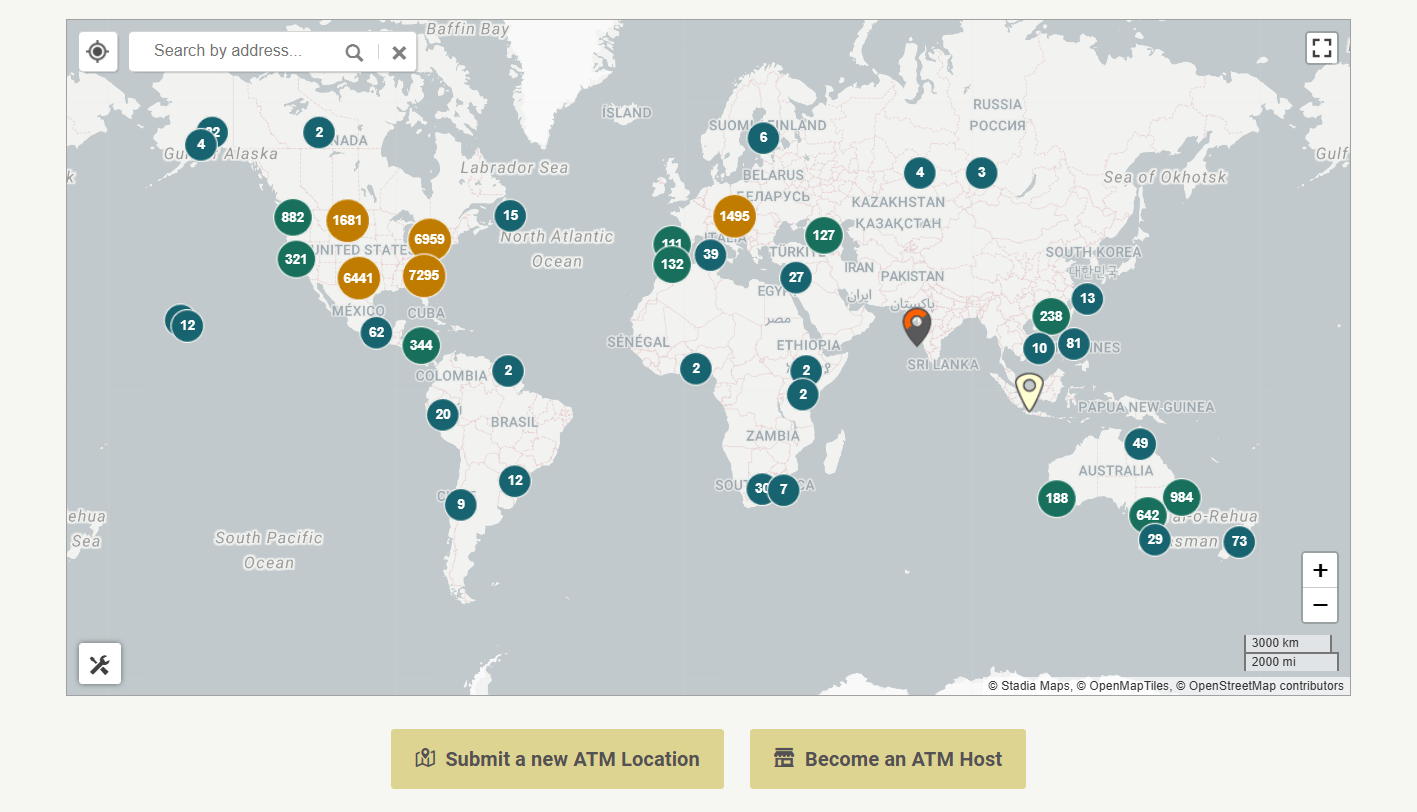
The tradeoff for that convenience is cost. Bitcoin ATMs almost always charge higher fees than buying on an online exchange or app, so they tend to make the most sense for one-off purchases, cash-only transactions, or situations where a bank account isn’t available. Here are 11 of the largest operators running that infrastructure in 2026.
CoinFlip
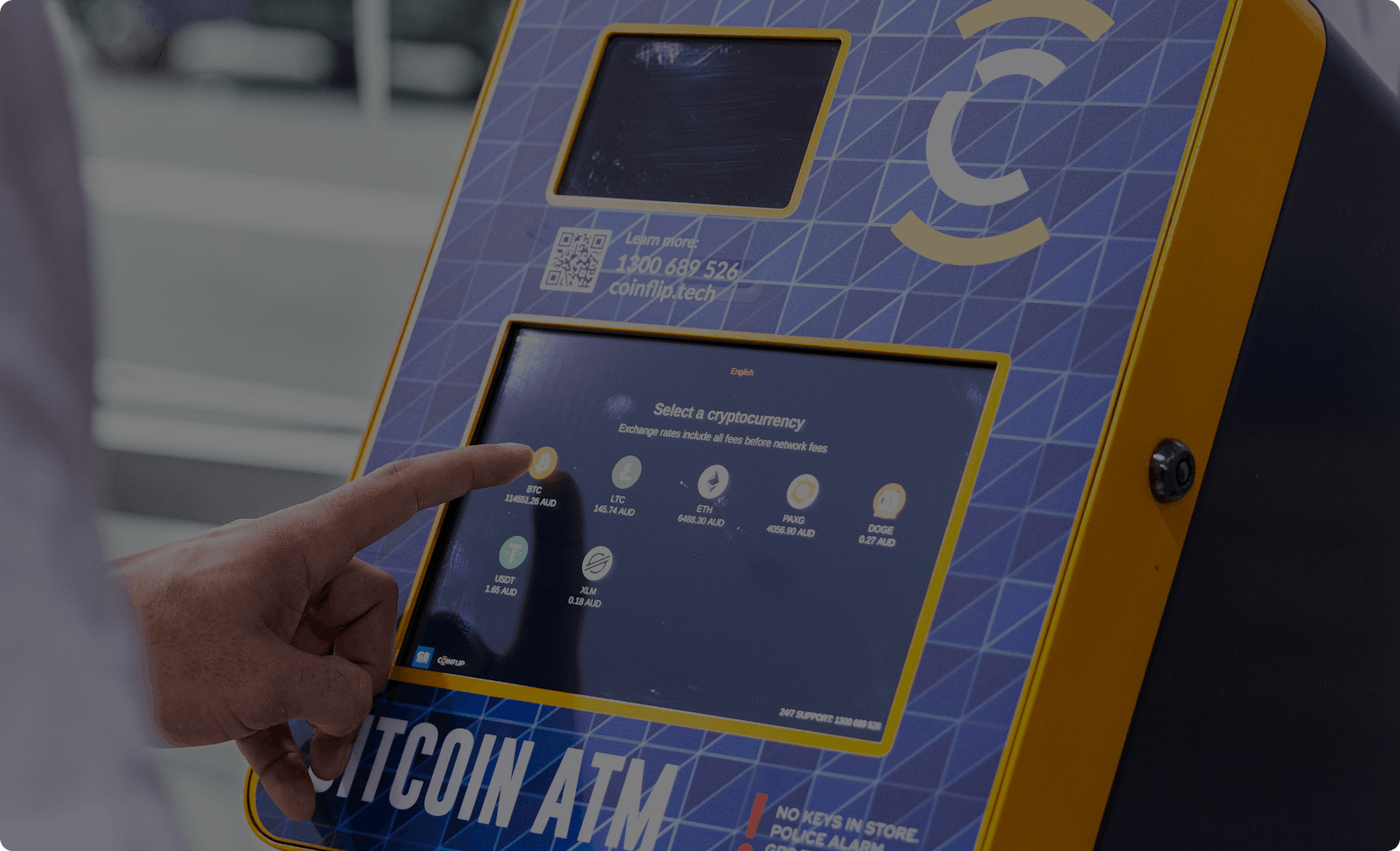
CoinFlip, a Chicago-based operator running more than 4,500 ATMs, was founded in 2015. Its machines support Bitcoin as well as a range of other cryptocurrencies. CoinFlip advertises some of the lowest rates in the industry and offers a price-match guarantee if a customer finds a cheaper machine within a 5-mile radius.

The company has also been publicly active in fighting state-level bans, opposing Minnesota’s 2026 crypto ATM ban and citing its own fraud-prevention measures, including transaction warnings and real-time monitoring, as evidence that regulation rather than prohibition is the better approach.
Coinhub
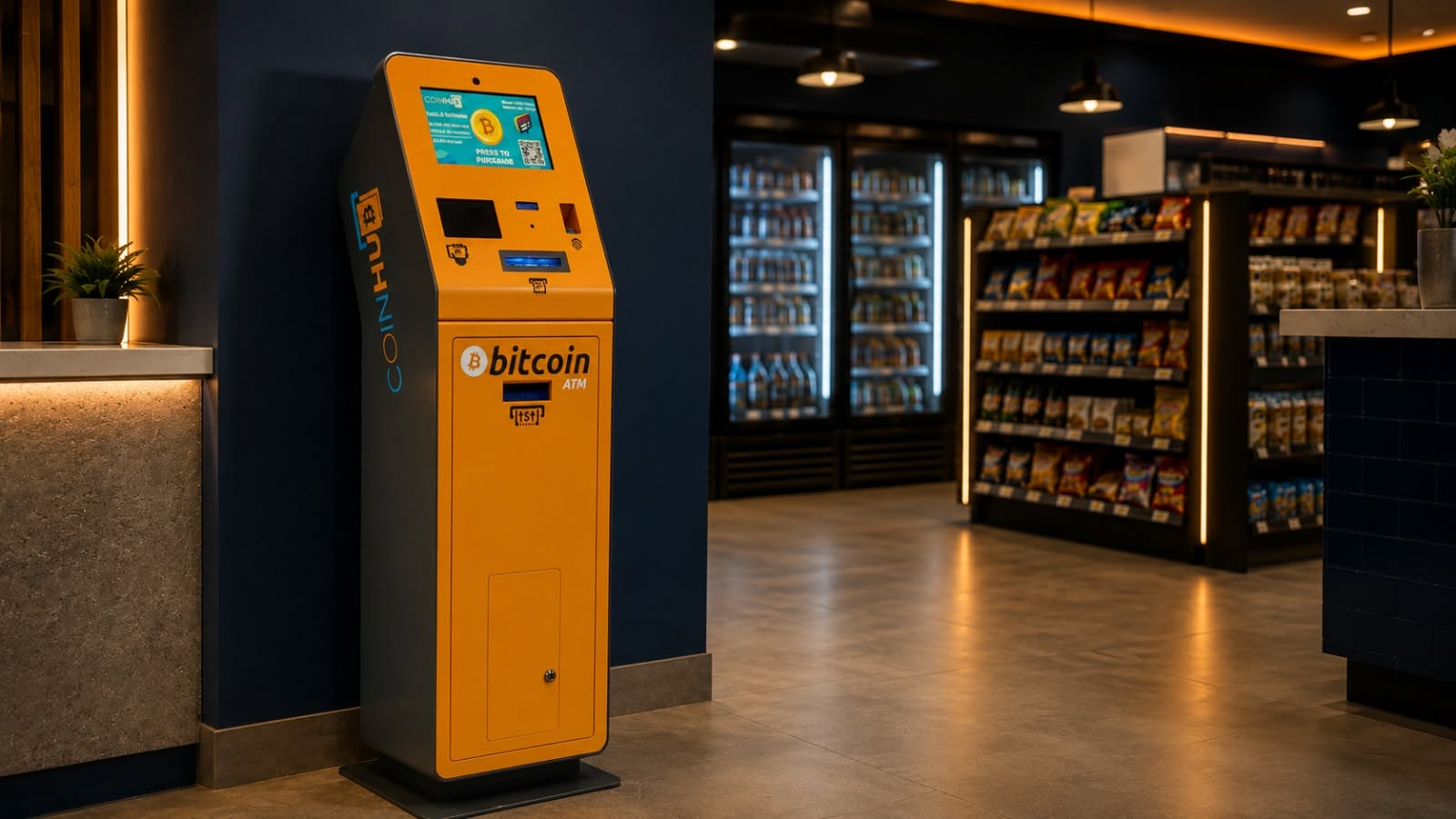
Coinhub has placed its ATMs through partnerships with more than 1,000 store retailers and gas stations across the United States. Rather than operating its own retail locations, Coinhub pays participating store owners a monthly rent for hosting a machine, which is part of how it has expanded its footprint without owning the underlying real estate.
General Bytes
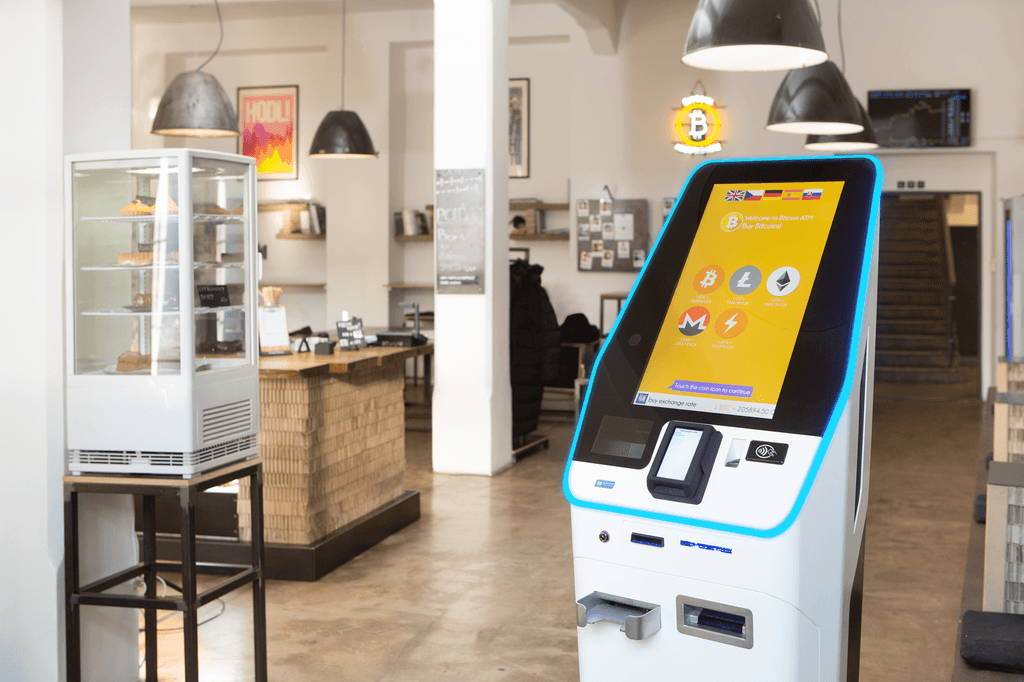
General Bytes has operated since 2013 as both a Bitcoin ATM manufacturer and a provider of ATM management software, distributing machines to operators in more than 120 countries. Rather than running its own retail network directly, General Bytes supplies the hardware and software that other operators, including CoinFlip and Localcoin, run on top of.
Bitcoin Depot
Bitcoin Depot operates in the United States, Canada, Puerto Rico, and Australia, and is publicly traded on Nasdaq under the ticker BTM. Founded in 2016, it operates more than 8,000 locations, making it the largest single Bitcoin ATM network by machine count among the operators covered here.
In May 2026, Bitcoin Depot filed for Chapter 11 bankruptcy protection, citing state-level transaction restrictions, litigation, enforcement actions, and outright bans in some states as contributing factors.
Localcoin
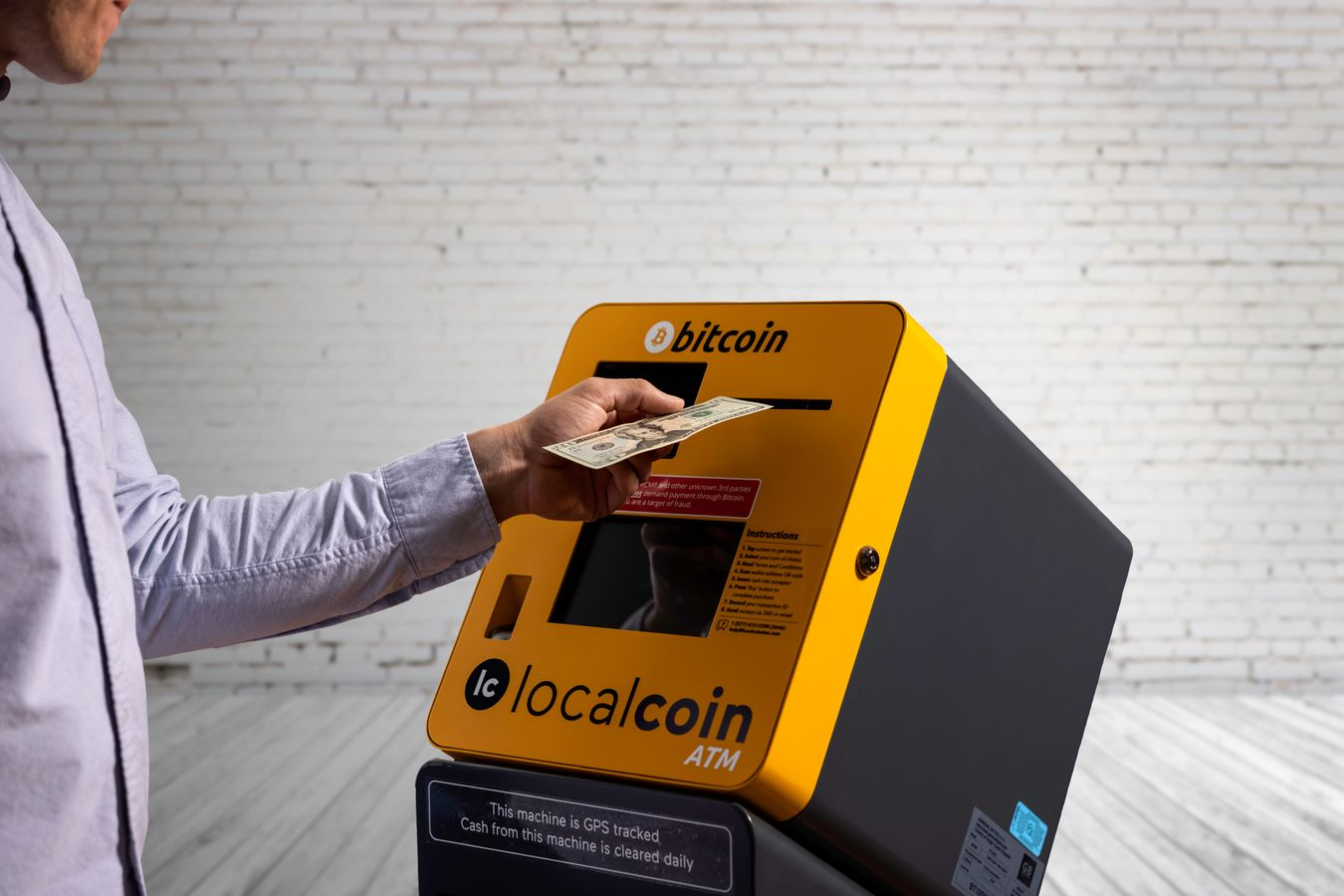
Localcoin is a Toronto-based network founded in 2017, with more than 1,100 machines across North America. The company markets its service around privacy, positioning itself as an option for users who want to buy and sell crypto without extensive account setup.
Athena Bitcoin
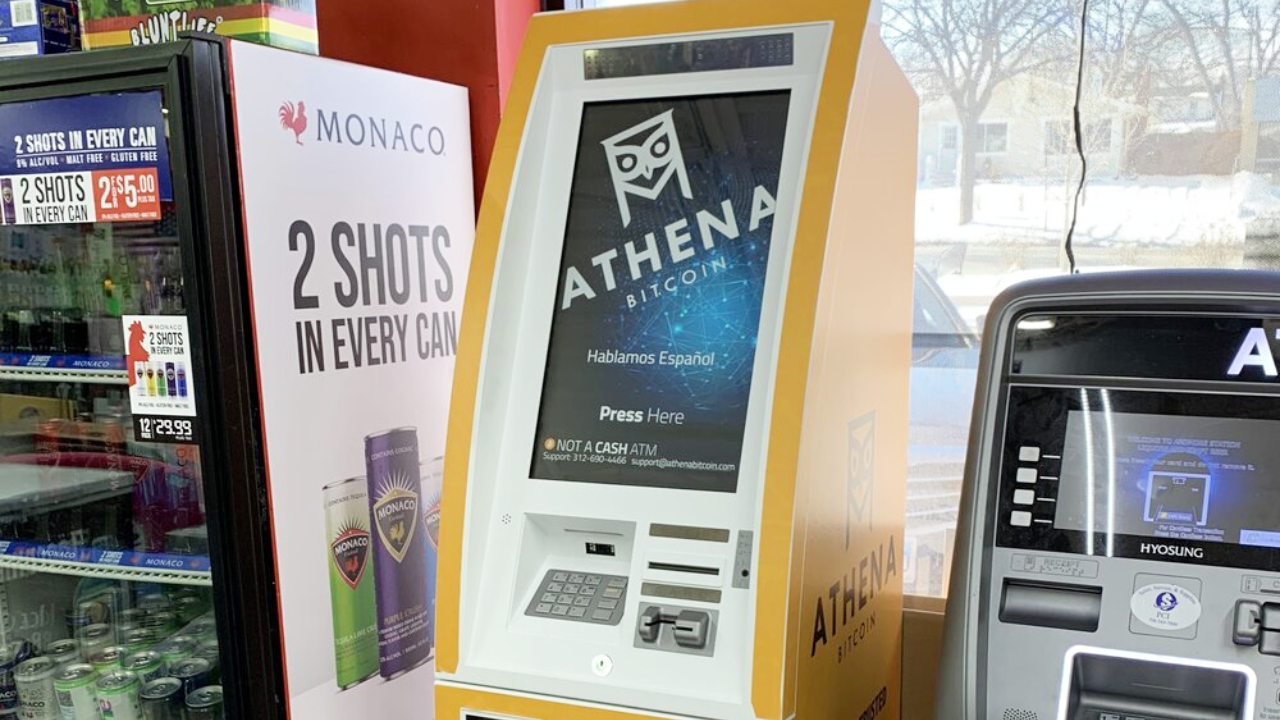
Athena Bitcoin is headquartered in Miami and operates 16 ATMs nationwide, a notably smaller footprint than the other networks on this list. Beyond its ATMs, the company also offers advisory services covering equity and fixed-income transactions and works with office space providers on other crypto-adjacent services.
RockItCoin
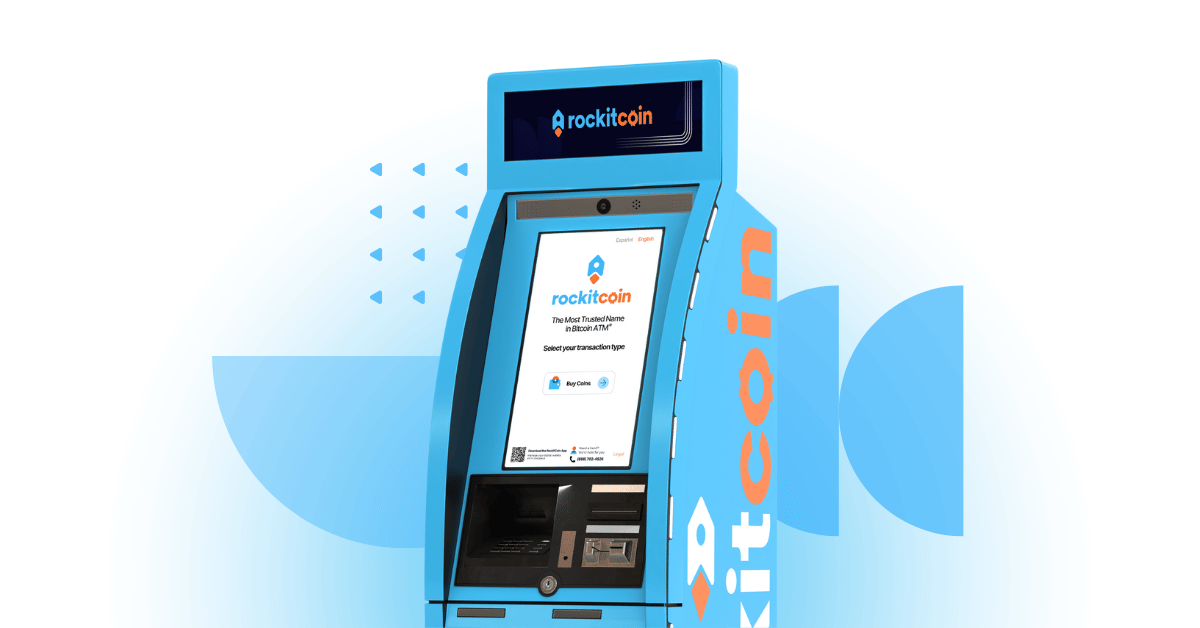
RockItCoin is a Chicago-based operator founded by Michael Dalesandro, running more than 1,700 locations across the United States. It offers ATM purchases, online buying, and OTC trading, and does not require a bank account or debit card to use its machines. The company also runs a mobile app for finding nearby ATMs and managing holdings.
Bitstop
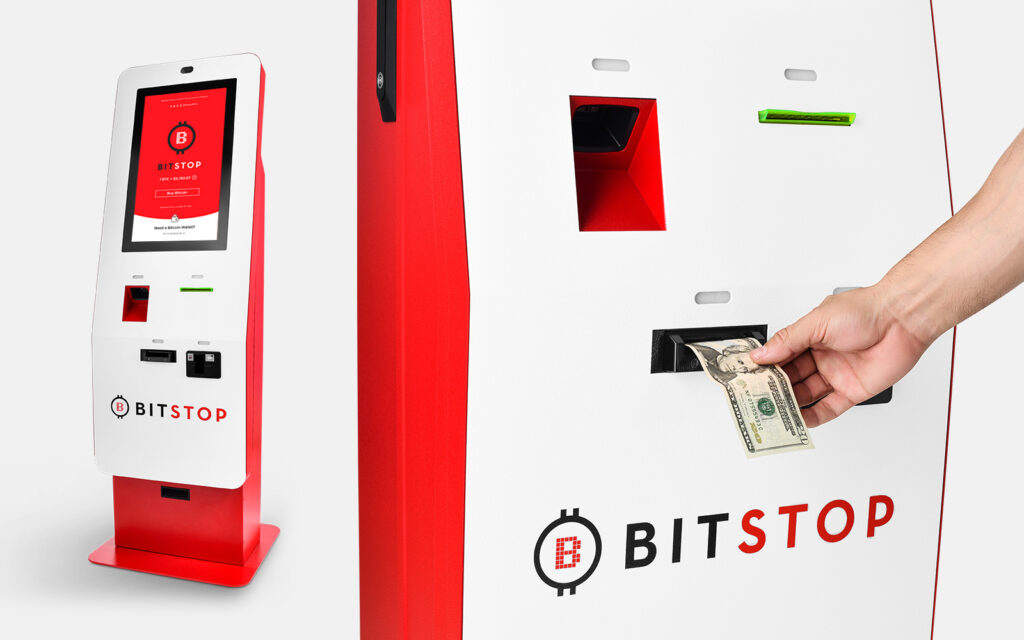
Bitstop has operated since 2013, making it one of the longest-running Bitcoin ATM networks on this list, with more than 2,500 locations across the United States. It launched during Bitcoin’s earliest mainstream growth period and has continued operating through multiple market cycles since.
Margo
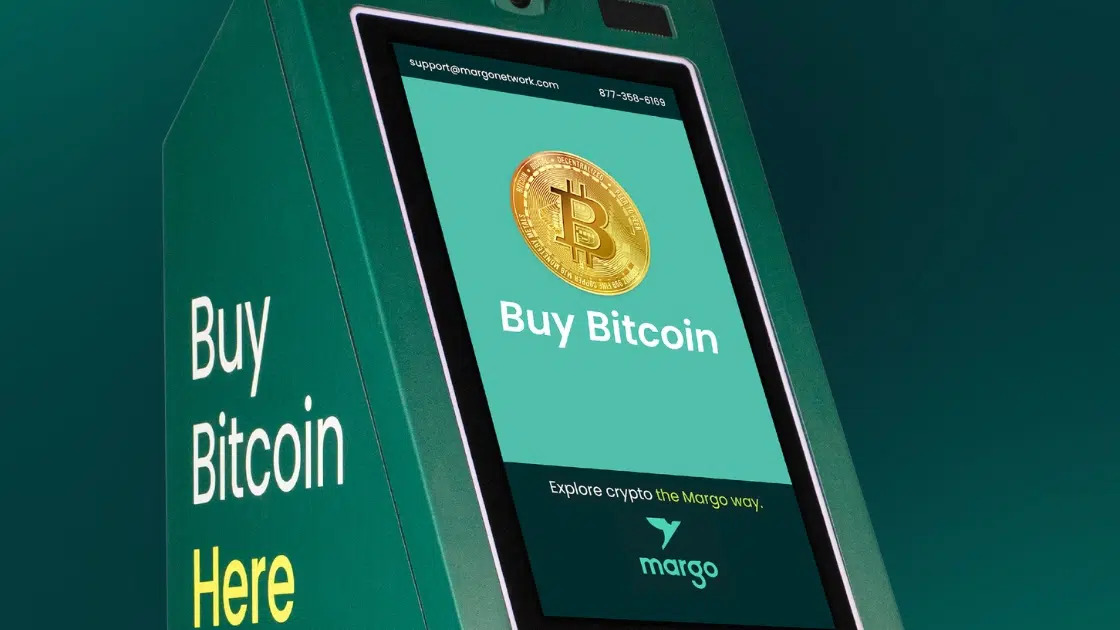
Margo was founded in 2019 as PowerCoin and rebranded to Margo in 2023. Its ATMs are located in retail chains, including Royal Farms, H-E-B, Yesway, United Natural Foods, Inc., and Ace Cash Express. Margo also runs a Private Client Desk that handles trades between $3,000 and $1 million per day across Bitcoin, Ethereum, USD Coin, NFTs, and other tokens and works with businesses looking to accept crypto as payment.
Byte Federal
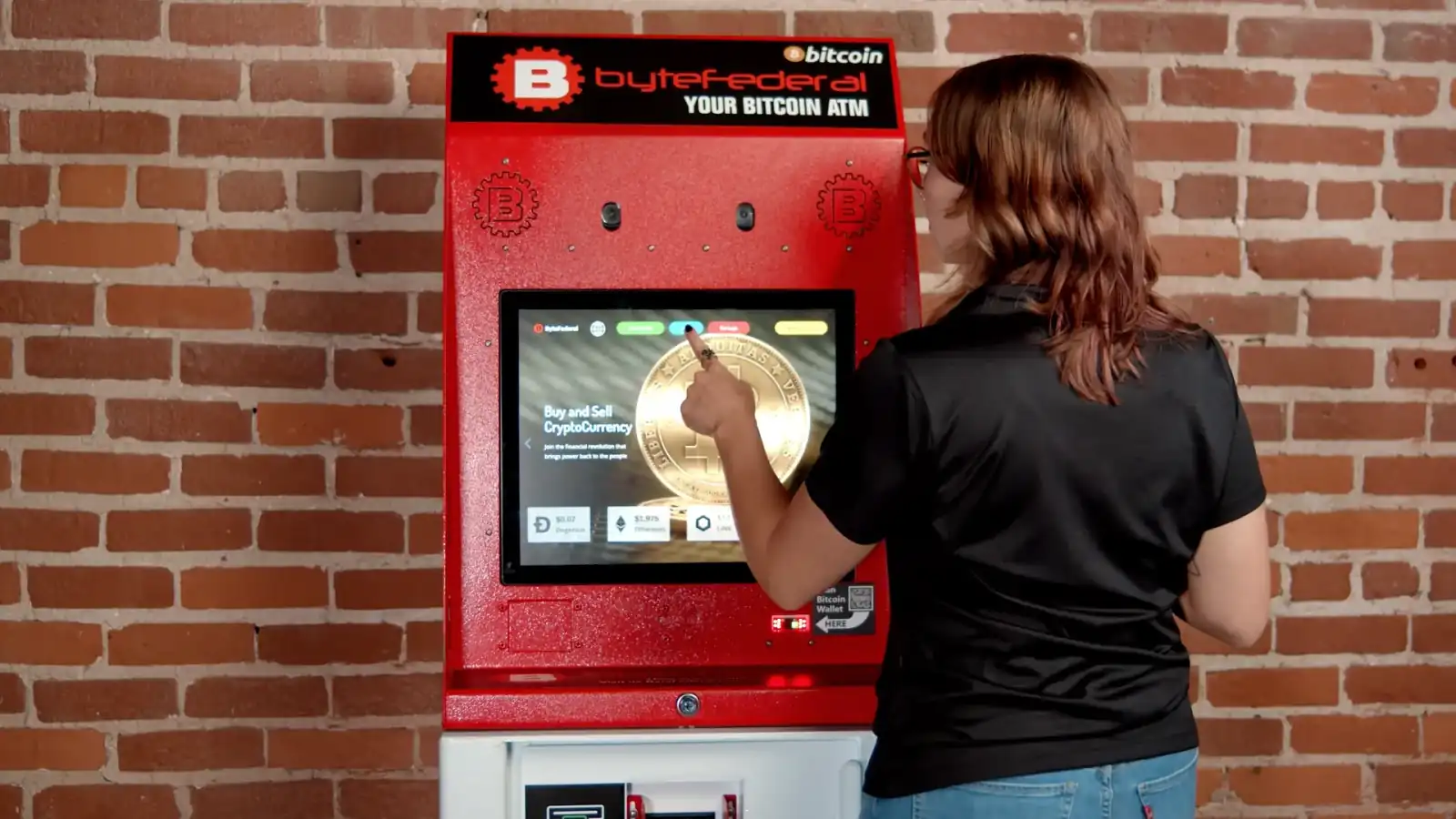
Byte Federal has operated since 2016 and focuses on Bitcoin ATM operations, as well as training, support, and software development for other participants in the Bitcoin ATM ecosystem. The company emphasizes support for non-custodial wallets and merchant point-of-sale integration, and states that its ATMs, software, and digital products are built entirely in the United States.
DigitalMint
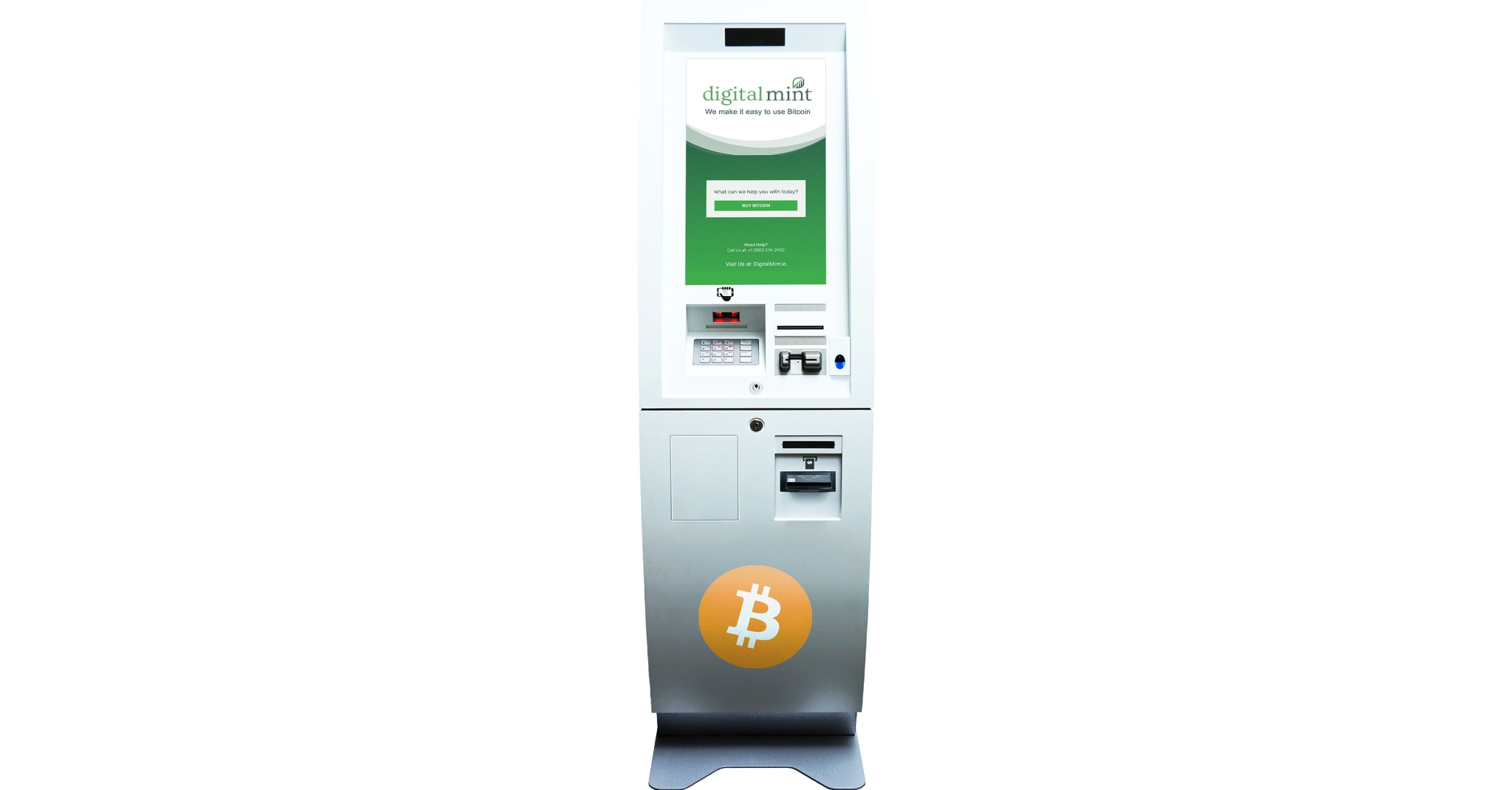
DigitalMint is a Chicago-based Bitcoin ATM and OTC trading operator that has built a distinct reputation around compliance and fraud prevention, including working with law enforcement agencies to help recover funds for victims of crypto scams. This compliance-first positioning sets it apart from operators that compete primarily on fee structure or network size.
How to Choose a Bitcoin ATM Operator
Network size and machine count matter less than the specific fees at the machine nearest you, since Bitcoin ATM operators do not charge uniform rates across their networks. Before using any machine, check whether the operator publishes its fee schedule, whether it supports the specific cryptocurrency you want to buy or sell, and whether it requires ID verification for larger transactions, which most operators do under anti-money laundering regulations.
Our step-by-step guide to buying Bitcoin at an ATM covers the transaction process in more detail. Our guide on how Bitcoin ATMs work also walks through that process step by step.
Frequently Asked Questions
Need a refresher? Here are the questions most readers ask before using a Bitcoin ATM.
Are Bitcoin ATM fees higher than those of online exchanges?
Yes, Bitcoin ATMs typically charge higher fees than online exchanges or apps, often ranging from 5% to 20% depending on the operator and transaction size. The convenience of instant, cash-based transactions comes at a real cost, so ATMs tend to suit one-off or cash-based purchases better than regular investing.
Do Bitcoin ATMs require identification?
Most operators require identity verification for transactions above a certain threshold, in line with anti-money laundering regulations that apply to money service businesses in the United States and other jurisdictions. Smaller transactions may only require a phone number, but larger ones typically require a government-issued ID.
Can I sell Bitcoin at a Bitcoin ATM, not just buy it?
Many, but not all, Bitcoin ATMs support two-way transactions. Buy-only machines are still common, so check the specific machine’s supported functions before assuming you can sell at the same location where you bought.
Which US states have banned Bitcoin ATMs?
As of mid-2026, Minnesota, Indiana, and Tennessee have enacted bans on public crypto ATMs. Minnesota’s ban was announced in June 2026 and takes effect on August 1, with existing public machines required to be removed by the end of the year. Indiana adopted its ban in March 2026, and Tennessee followed in May 2026. These bans followed earlier measures such as transaction caps and mandatory fraud warnings, which regulators said scammers could circumvent.
How do governments regulate Bitcoin ATMs?
Regulation varies widely by state and country. Many US states require crypto kiosk operators to hold money transmitter licenses, display fraud warnings, cap daily transaction amounts for new customers, and provide refunds in certain confirmed fraud cases. Minnesota’s earlier 2024 law, for example, capped new customers at $2,000 in daily transactions before the state moved to an outright ban in 2026. The FBI’s Internet Crime Complaint Center received more than 13,400 complaints involving cryptocurrency kiosks in 2025, with more than $388 million in reported losses, more than half involving people over 50, a trend that has driven several states toward stricter rules or bans rather than warnings alone.





Be the first to comment