

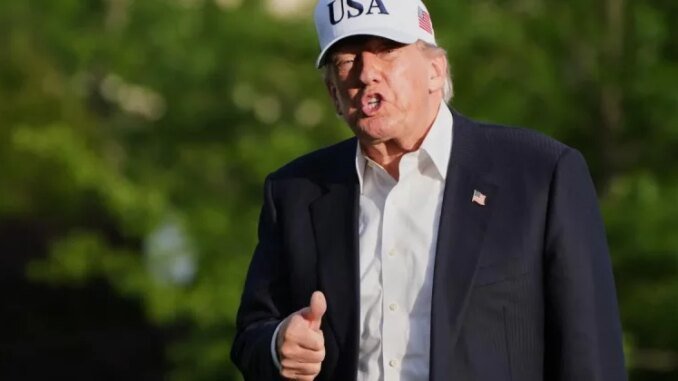

President Trump announced he canceled a planned military strike on Iran after Persian Gulf leaders requested additional time to pursue diplomatic channels.
Trump described the aborted operation as a “very major attack” on Iran. The decision to stand down, at least temporarily, came after direct appeals from Gulf state allies who believed diplomacy still had room to work.
What happened and why it matters
The US had a military operation teed up against Iran, and regional partners essentially called a timeout. Gulf allies, whose geographic proximity to Iran makes them the first to feel any fallout from a military confrontation, lobbied Trump to give negotiations another chance.
Trump framed the pause as a deliberate choice, not a retreat. He emphasized that the US remained prepared to act if diplomacy failed to produce results.

The broader geopolitical chessboard
Iran’s nuclear program sits at the center of this standoff. The US and its allies have long viewed Tehran’s nuclear ambitions as an existential threat to regional stability, while Iran has maintained its program is peaceful.
What this means for crypto and risk markets
Bitcoin and other major tokens have repeatedly shown sensitivity to spikes in US-Iran tensions, though the direction of the move depends heavily on prevailing market sentiment. In some scenarios, Bitcoin acts like digital gold: a hedge that catches a bid when traditional safe havens like Treasuries and the dollar are already crowded. In others, it trades like a risk asset, selling off alongside equities when fear spikes.
Oil markets react immediately and dramatically to any hint of military action near the Strait of Hormuz, through which roughly a fifth of the world’s petroleum passes daily. A strike on Iran would almost certainly disrupt those flows, even temporarily.



Be the first to comment