



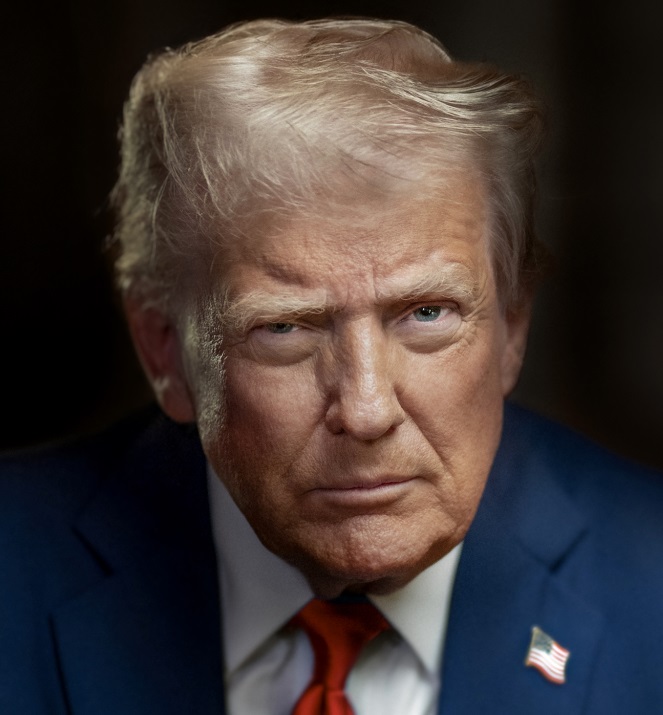
On Wednesday, October 14, 2026, The Banker reported that President Donald Trump’s push to make the United States the crypto capital of the world is facing a legal challenge from a powerful corner of the banking industry, as community banks take aim at one of his appointed regulators.
The Independent Community Bankers of America (ICBA) sued the Office of the Comptroller of the Currency (OCC) and its head, Jonathan V. Gould, earlier this month. The group says the regulator overstepped its statutory authority by granting conditional and full approvals to crypto companies to launch national trust banks. The suit lands in the middle of an administration-wide effort to bring digital assets into the financial mainstream.
Since returning to office in 2025, Trump has pursued a series of pro-crypto policies. He signed an executive order directing regulators to review and streamline the application process for fintech and crypto firms seeking banking charters. He also signed orders banning the creation of a Federal Reserve-issued digital dollar and establishing a strategic bitcoin reserve.
Trump has appointed digital asset supporters to key government positions and pardoned crypto personalities. He has backed the Clarity Act, a crypto markets bill that has stalled in the Senate, and signed the GENIUS Act, a stablecoin law, in 2025. Public Citizen figures published in August 2024 showed the crypto industry poured more than $119mn into influencing that year’s elections.

Banks have criticized provisions of the GENIUS Act. The central dispute is whether crypto exchanges and other intermediaries may pay rewards on stablecoin holdings. The law bars stablecoin issuers from paying interest or yield directly to holders, but banks want the restriction extended to third-party arrangements, warning these could draw deposits away from traditional lenders.
The OCC’s charter approvals are the latest flashpoint. According to the ICBA’s complaint, the agency has approved or conditionally approved 21 national trust banks since the start of the second Trump administration, at least 13 of them for crypto companies. In August, the OCC granted preliminary conditional approval to World Liberty Trust Company, a proposed national trust bank linked to the Trump family’s crypto venture, World Liberty Financial. The company was not mentioned in the lawsuit.
National trust bank charters are specialized federal charters allowing institutions to provide trust and custody services without taking deposits or obtaining Federal Deposit Insurance Corporation insurance. The OCC maintains that such institutions may also undertake certain non-fiduciary activities, including digital asset services. The ICBA argues that interpretation exceeds the agency’s authority under the National Bank Act.
The suit challenges the OCC’s National Bank Chartering Final Rule and Interpretive Letter No. 1176, which the ICBA says created sweeping new chartering powers not authorized by law. It also seeks to overturn February’s preliminary conditional approval of National Digital Trust Company, a proposed trust bank wholly owned by Protego Holdings Corporation. The company would offer custody, trading, lending and borrowing, and issuer services platforms focused on crypto assets, provided it meets all pre-opening conditions. The complaint alleges violations of the National Bank Act and the Administrative Procedure Act.
In several decisions, the OCC has cited the GENIUS Act as giving uninsured banks authority to issue stablecoins. The ICBA says the law does not authorize other activities, such as operating trading platforms. The act takes effect on January 18, 2027, or 120 days after final implementing rules are issued if regulators finalize them sooner. The ICBA argues it therefore cannot cure problems with charters already granted.
ICBA President and CEO Rebeca Romero Rainey said consumers expect a federally chartered bank to carry federal protections, and that digital assets held at a crypto firm with a national trust charter do not. The group warns the charters could threaten community bank deposits and expose consumers and the broader financial system to cascading failures.
The OCC declined to comment. The Blockchain Association, a crypto advocacy group, criticized the suit. Ashok Pinto, its executive vice-president of legal and government relations, said digital asset companies should have a fair opportunity to meet regulatory standards under federal supervision, and that blocking that path would limit competition and consumer choice.
Sean Tuffy, a consultant and former head of market and regulatory intelligence at Citigroup, told The Banker the suit reflects long-simmering discontent among community banks with the administration’s pro-crypto policies. He noted that the community bank lobby is among the most powerful in the U.S. and has previously won certain exemptions from Basel III rules.
Source: The Banker


Be the first to comment