


## Market Snapshot
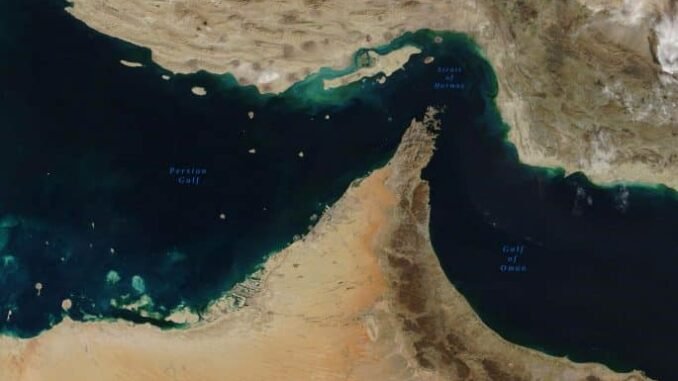
The market for “Strait of Hormuz traffic returns to normal by July 31” is currently pricing at 43.5% YES, a slight increase from 42% over the past 24 hours. The market for “Will 20 ships transit the Strait of Hormuz on any day by May 31?” shows 46.0% YES, down from 48% a day ago. “Trump’s Hormuz Blockade Announcement” is priced at 15.5% YES, down from 18% in the last 24 hours.
## Key Takeaways
– Trump’s announcement appears to decrease the likelihood of normal Strait of Hormuz traffic by July 31, suggesting active blockade enforcement. – The probability of 20 ships transiting the Strait by May 31 decreases, consistent with the US’s firm stance and enforcement actions. – Market pricing suggests a low likelihood of Trump announcing the lifting of the blockade by May 31, reflecting his declared position.

## Article Body
In a recent statement reported by the New York Post, former U.S. President Donald Trump affirmed his position against making concessions to Iran. This comes as the United States continues its naval blockade against Iran, redirecting 85 vessels to enforce compliance. The blockade, in place since April 2026, underscores the tense military-diplomatic standoff between the U.S. and Iran, with stalled talks on Iran’s nuclear program. This active enforcement by the U.S. Navy marks a significant escalation beyond sanctions, highlighting the direct control of shipping linked to Iran. The ongoing situation suggests that any resolution or easing of tensions remains unlikely in the immediate future.
## Market Interpretation
The latest developments are viewed as having a high impact on prediction markets concerning U.S.-Iran relations. The firm stance by Trump and the active enforcement of the blockade are consistent with scenarios where normal traffic in the Strait of Hormuz is unlikely by July 31, and the transit of 20 ships by May 31 appears improbable. Additionally, market pricing suggests a decreased likelihood of any announcement lifting the blockade by the end of May, reflecting the current geopolitical climate.
## What to Watch
Observers should monitor any shifts in diplomatic engagements between the U.S. and Iran, especially any new talks or agreements that could alter the current blockade status. Key players such as Donald Trump, the U.S. Navy Central Command, and Iranian officials like Ali Khamenei may influence developments. Additionally, attention should be given to the movements of redirected vessels and any further naval actions that could impact market perceptions. The upcoming weeks will be crucial in determining the potential for de-escalation or continued tension.
Get prediction market intelligence as a structured API feed. Early access waitlist.


Be the first to comment