



Bitcoin climbed back above $78,000, but the larger moves came from further down the market. In the CoinMarketCap snapshot reviewed for this article, 31 of 45 non-stablecoin and non-gold crypto assets gained more than 5% over 24 hours. Fourteen posted double-digit increases.
Market snapshot at the time of writing
Bitcoin: about $78,100, up roughly 2%
Ethereum: about $2,500, up roughly 3%
Altcoins gaining more than 5%: 31 from top 60
Bitcoin’s return above $78,000 opened the door
Bitcoin traded near $78,100 when the CoinMarketCap data was checked at 10:15 UTC, recovering by about 2% over 24 hours while Ethereum rose roughly 3%.
Those figures show a broad recovery, but they understate the risk appetite visible among altcoins. Bitcoin provided a steadier market backdrop while traders moved more aggressively into assets with smaller market capitalizations and stronger individual narratives.
This is why the session can reasonably be described as altcoin-led. Bitcoin remained the market anchor, yet its percentage gain was surpassed by most of the active tokens in the sample.
The rally reached well beyond one or two tokens
Uniswap produced the largest gain among the higher-ranked assets, rising about 33%. Arbitrum advanced 27%, while NEAR gained roughly 27%. Worldcoin, MemeCore and Polkadot also recorded increases of 15% or more.
The spread is important because it reduces the chance that the market picture was created by a single token-specific event. DeFi tokens, layer-1 networks, privacy coins, meme tokens and real-world-asset projects all participated.
Lower oil and bond yields gave risk assets some relief
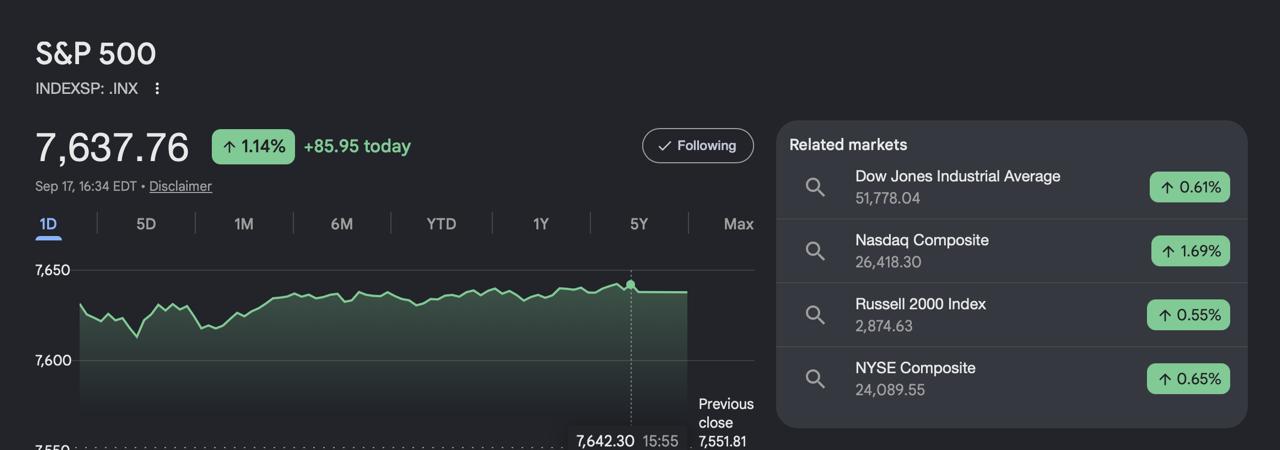
The market had been under pressure following the Federal Reserve’s latest rate increase. That pressure eased as oil prices retreated, US government bond yields fell and equities recovered. Lower oil prices can soften immediate inflation concerns, while declining yields make speculative assets more attractive relative to interest-bearing investments.
Crypto moved with that change in risk appetite. The timing does not prove that macro conditions caused every token gain, but the wider rebound across stocks, bonds and digital assets supports the view that traders became more willing to take risk.
Bitcoin’s recovery above $78,000 then provided a base from which altcoins could move faster. When Bitcoin rises without dominating the entire flow of capital, traders often move toward assets that can produce larger percentage swings.
Fund flows explain Bitcoin better than the altcoin surge
US spot Bitcoin funds recorded about $159 million in net inflows during the previous session, per SoSoValue data. Ether funds, by comparison, lost roughly $39 million, while XRP products saw around $5 million in outflows.
That split supports Bitcoin’s recovery but does not explain why Ethereum and dozens of other tokens outperformed it. The data instead point to a two-part move: institutional demand helped steady Bitcoin, while improving market sentiment and token-specific developments drove the larger altcoin gains.
Zcash was one exception. Its US investment product attracted approximately $47 million, adding direct buying support to a token that was already advancing sharply.
Onchain infrastructure drew some of the largest moves
The leading gains were concentrated partly among projects connected with decentralized trading and onchain finance. Uniswap, Arbitrum, Ondo and Aave all rose by double digits.
The SEC’s conditional route for certain permissioned venues trading tokenized US stocks may have strengthened interest in that part of the market.
As explained in our coverage of the SEC tokenized-stock order, the measure applies to a limited category of regulated venues. It does not approve decentralized protocols or create automatic demand for their tokens.
Still, it gives investors a concrete reason to revisit infrastructure that could support more financial activity onchain. That provides a plausible connection between the regulatory development and the relative strength of UNI, ARB, ONDO and AAVE, although price data alone cannot confirm how much traders assigned to that narrative.
The rally now needs to show that it can last
One strong session does not establish a lasting shift toward altcoins. The next test is whether market breadth survives after the initial rebound. Continued spot buying, steady trading volume and a stable Bitcoin price would give the move more room.
Bitcoin holding above $78,000 would help because traders are generally more willing to retain higher-risk positions when the largest cryptocurrency is stable. A sharp reversal below that level could hit recent altcoin leaders harder, particularly after gains of 20% or more in a single day.
For now, the data support a measured thesis: lower macro pressure helped restore risk appetite, Bitcoin recovered first and project-specific catalysts directed more aggressive buying toward selected altcoins. The breadth of the advance makes the rally meaningful. Its duration will determine whether it becomes more than a fast rebound.
This article is for informational purposes only and does not constitute financial or investment advice. Cryptocurrency prices and market data can change rapidly.

Kosta has reported on cryptocurrency markets and blockchain infrastructure since 2020, bringing over six years of hands-on experience in the crypto industry built through daily tracking of markets, trends, and emerging blockchain developments. Specializing in Bitcoin on-chain analysis, institutional ETF flows, and digital asset price action, his work at Coindoo has been cited by other news agencies and consistently covers market developments with a focus on data-driven reporting across Bitcoin, Ethereum, Solana, and XRP.
Over the years, Kosta has contributed to multiple crypto media outlets in different regions, authoring over 6,000 articles across the sector. His reporting spans cryptocurrency markets and the broader fintech industry, tracking not only price action but also the technological and regulatory forces shaping the ecosystem.
To support his analysis, Kosta actively leverages on-chain data and metrics from leading platforms such as Santiment, Glassnode, and CryptoQuant, enabling deeper, evidence-based market insights. He believes in the power of transparency and the data that underpins the blockchain ecosystem.
His academic background in Marketing Management from Denmark further complements his analytical approach, adding a strong understanding of communication strategy and content positioning to his work.


Be the first to comment