



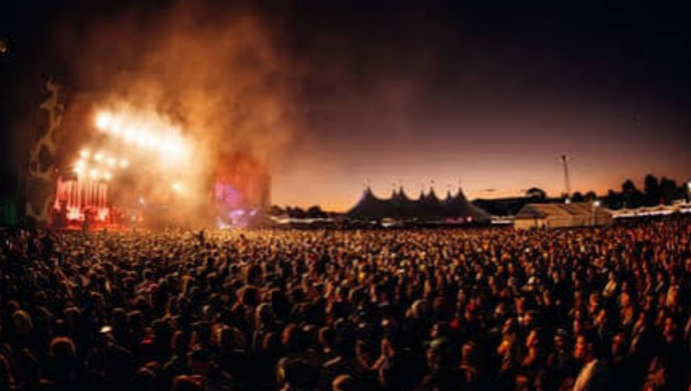
Rock, metal and blues acts that once bypassed regional Australia in favour of capital-city tours are now actively seeking out towns like Broken Hill, Mildura and Byron Bay. This isn’t a fringe trend. It reflects a broader shift in where Australians want to experience live music, and where promoters believe demand is strongest.
The numbers back this up. Live music remains a genuine national habit, and the appetite hasn’t faded despite cost pressures across the touring industry.
Rising Demand For Regional Live Music
Australian live performance revenue hit a record $3.4 billion in 2024, with 31.4 million ticketed attendances recorded across the country, according to Live Performance Australia. That growth wasn’t confined to Sydney or Melbourne arenas. Contemporary music, the category that covers most rock, metal and blues touring, was the standout performer, with attendance climbing sharply as fans sought out shows closer to home.
This matters because promoters follow demand signals closely. When contemporary music outpaces other genres so distinctly, booking agents have every incentive to test regional markets rather than saturating the same handful of city venues. Regional touring stops, once considered a financial gamble, now look like a reasonable bet when metro ticket prices and venue costs keep climbing.

Venues And Infrastructure Investment Drive Growth
Regional councils and private operators have poured money into upgraded stages, sound systems and accommodation partnerships, making it easier for touring acts to justify the extra travel. These investments create a more predictable environment for promoters, which is exactly what’s needed when margins are tight. Better infrastructure also means longer festival weekends, which encourage visitors to spend more time — and money — in host towns.
This same appetite for well-organised, low-friction experiences extends beyond live music into other entertainment categories that regional visitors browse during downtime. Streaming platforms surface curated playlists and live concert recordings for evenings back at the accommodation. Sports betting apps let fans follow games happening elsewhere while attending local festivals. Podcast platforms fill long drives to regional venues with on-demand audio. Digital leisure platforms have matured alongside this trend — Australian Bitcoin casinos with instant crypto deposits and clearly structured game catalogues offer a straightforward overview of what’s available during downtime between sets.
Local Economies Benefit From Festival Tourism
The economic flow-on effects are measurable. Regional NSW alone generated $88.6 million in live performance revenue and attracted 1.1 million attendances in 2024, according to Destination NSW, with events like Byron Bay Bluesfest anchoring much of that activity. Accommodation providers, hospitality venues and local retailers all capture a share of festival-driven spending that simply wouldn’t reach smaller towns otherwise.
Tasmania has emerged as a particularly strong example, recording the highest regional share of both revenue and attendance nationally. That data point signals something promoters have long suspected: regional fans aren’t a secondary market to service when convenient, they’re a primary audience with genuine purchasing power. Festival organisers who recognise this early tend to build stronger, more loyal followings in these towns.
What This Comeback Means For Australia’s Scene
None of this growth is happening without strain. Australia has lost more than 1,300 live music venues and stages since the pandemic, and operators in regional areas report genuine burnout from rising insurance, policing and operational costs, according to reporting on regional live music venue burnout. Rock accounted for 21% of the 535 festivals staged across Australia in the most recent Creative Australia dataset, underscoring how central the genre remains to the broader festival economy even as the sector navigates these pressures.
The comeback, then, isn’t a simple story of recovery. It’s a recalibration, with promoters, councils and venue operators working out where sustainable touring models actually exist. Regional towns that invest early in infrastructure and support services are positioning themselves as the more reliable stops on future tour calendars. For fans, that means more chances to see the acts they love without a flight to the nearest capital city — and for host communities, it means festivals are becoming a genuine economic asset rather than an occasional novelty.



Be the first to comment