



What to know:
- Trials in 17 countries, 5 live pilots in Haiti, Syria, Kenya, Guatemala, Gambia. Next: rollout to 170 UNDP offices.
- Chosen for low fees and fast settlement. Drives demand for wallets, KYC tools, and fiat on/off-ramps.
- Marks 2026 move to real-world blockchain use. Success depends on regulation, access, and liquidity.
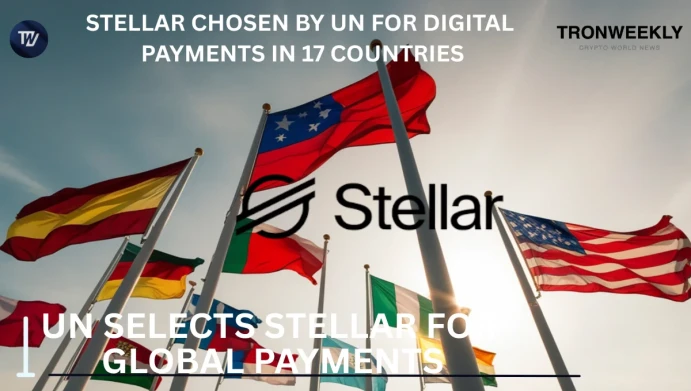
The United Nations organization is rolling out humanitarian blockchain donations through the Stellar platform, going from trial stages to a real-deployment scenario.
The program includes studies in 17 countries with five pilots that are actually working. With these plans, they see XLM as humanitarian finance infrastructure in the year 2026.
What Was Announced Who Are the Parties Involved
The United Nations Development Programme (UNDP) is rolling out digital payments based on the XLM network. Active pilots are running in a few areas like Haiti Syria Kenya, Guatemala, and Gambia to deliver humanitarian aid and receive remittances. The next stage is linking these payments with 170+ local UNDP representatives or country programs.



Source: MSB Intel’s X Post
Major partners involved would be UNDP, XLM Dev Foundation, local NGOs, and regional payment gateways. Stellar was chosen because of its low fees, very fast (only 3-5 seconds) payments, and that it supports stablecoins and asset issuance directly.
Also Read: Stellar (XLM) Eyes a Powerful 15x Rally Amid Strengthening Bullish Structure
Why It Matters to Blockchain and Crypto
From the institutional perspective, Stellar gains another level of legitimacy as a public blockchain for real-world payments. Developers, Then again, see the need for wallets that comply with standards, KYC/AML tools, and the release of stablecoins on the Stellar network.
Exchanges and custodians will have new fiat channels as on/off-ramps in emerging markets, Investors and institutions, Then again, get a measurable use case by which one can witness transparent and auditable aid flows.Regulators too, can have a real example of digital asset payments under supervision.
Also Read: UNDP Expands Stellar Partnership to Scale Digital Payments Globally
Background and Future Directions
The development parallels the 2026 movement of multi-national organizations embracing blockchain for financial inclusion. This is unlike the previous retail cycles which were driven by speculation; instead, this is motivated by the actual use-value.

Source: Stellar
Among other things, the challenges are local law compliance, internet access, and liquidity If the XLM network extends to UNDP offices, it would establish a standard for UN digital payments, and maybe, other agencies will follow suit.
Also Read: Stellar Price Breakout Targets $0.24 as Bullish Momentum Accelerates



Be the first to comment