



El Salvador has secured $138 million in IMF Funding after the International Monetary Fund granted waivers for missed program targets, including criteria linked to Bitcoin accumulation. The disbursement follows the completion of the second and third reviews under the country’s 40-month Extended Fund Facility, worth about $1.4 billion overall.
The IMF Executive Board approved the immediate release of SDR 101.96 million, equivalent to about $138 million. Although El Salvador did not meet some agreed targets, the lender cited corrective measures and renewed commitments when granting the waivers. The decision keeps the financing program moving while maintaining tighter conditions around the government’s Bitcoin activities.
Also Read | Arbitrum Expands Tokenized Energy Assets as ARB Tests Key Recovery Levels
IMF Funding Follows Bitcoin Accumulation Waiver
Bitcoin accumulation continued being an important topic in the last rounds of program reviews. The IMF said El Salvador will not be expected to accumulate additional Bitcoin beyond documented donations. Moreover, the lender is also looking forward to increased transparency concerning government crypto asset holdings together with better regulations, supervision, and governance of crypto asset providers.

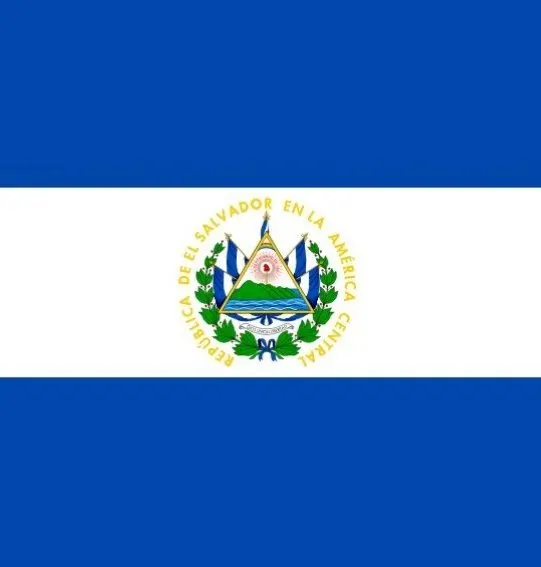
The explanation comes after the initial controversy surrounding the increase in the amount of Bitcoin held by El Salvador following the initial round of the IMF program review. In November 2025, the government reported that it had managed to accumulate 1,090 BTC, which was valued at approximately $100 million.
The IMF later said documents supplied by Salvadoran authorities showed the additional accumulation came from private donations rather than government-funded purchases.
Chivo Wallet Control Moves Private
The IMF also pointed out the fact that majority ownership and control of the Chivo Bitcoin wallet in El Salvador have been transferred to a private entity. The government still holds minority shares and has custodial duties, but its direct participation in running the wallet was minimized. The transfer is seen by the IMF as an element of the reform process.
According to Swissinfo, the transfer is a step in the direction of minimizing the involvement of the Salvadoran government in the use of Bitcoin. The report also mentions the call of the IMF for stricter crypto regulation and the need for greater transparency regarding digital assets held by the public sector, as well as reducing government involvement in cryptocurrencies.
Hence, the reconstruction of the Chivo wallet allows drawing conclusions about the impact of the IMF requirements on crypto policy of El Salvador. The government does not need to completely stop using Bitcoin, but the general direction of the program involves less participation of the state and more private sector engagement.
Economic Reforms Support IMF Disbursement
However, the IMF’s approval of the funding was not entirely dependent on the measures taken by the country for cryptocurrency. It included the progress of financial sector reforms, fiscal transparency, anti-money laundering, and anti-terrorist financing. Fiscal consolidation has largely been on track with the program targets, while liquidity and reserves have improved over the review period.
The outlook of the IMF’s economic assessment has also been positive. IMF expects the real GDP of El Salvador to grow by 4.5% in 2026 after an estimated 3.9 percent growth in 2025. IMF stated that economic performance has been better than expected because of improvements in security and investor confidence in the economy.
For El Salvador, the approval provides additional financing while the government continues implementing reforms under the $1.4 billion program. However, for the cryptocurrency industry, this approval means that future involvement of the government with Bitcoin would be more regulated.
El Salvador Advances Crypto Disclosure Reforms
For El Salvador, the approval provides additional financing while the government continues implementing reforms under the $1.4 billion program. The IMF desires that the government reduce the remaining risks related to Bitcoin, improve disclosure of crypto-assets owned by the public sector, and enhance crypto-asset regulations. Further, the IMF desires that the government implement the promised reforms in future reviews.
In conclusion, the above IMF Financing Decision provides financial support to El Salvador despite limiting the latter’s approach to Bitcoin in several ways. El Salvador will still have the liberty to own Bitcoin, in the new deal, emphasis will be more on donations made in writing, private operation of Chivo, and increased regulation and transparency.
Also Read | Greek Police Bust $8M Crypto Fraud Network Linked to 10,000 Investors



Be the first to comment