



Robinhood Chain suffered a temporary disruption Friday that halted new block production for more than 10 minutes, putting fresh attention on the reliability of a blockchain that Robinhood is positioning as infrastructure for tokenized financial markets.
Wu Blockchain initially flagged the incident after the network’s block explorer showed no new blocks for more than six minutes. Subsequent monitoring indicated the interruption extended beyond 10 minutes, with some reports putting the gap at roughly 14 minutes before transactions began recovering. The cause had not been publicly disclosed at the time of writing.
Block production later resumed, and Robinhood Chain’s status page currently lists the mainnet as operational. No incident notice was posted there for the past seven days, however, leaving the precise cause and scope of the interruption unclear.
Why a short outage matters for Robinhood Chain
Robinhood Chain is not simply another experimental crypto network.

The mainnet launched on July 1, 2026 as an Ethereum-compatible Layer 2 built using Arbitrum technology. Robinhood describes it as infrastructure for financial services and tokenized real-world assets, including its Stock Tokens. The network uses ETH for gas and a sequencer to order transactions.
That makes reliability particularly important.
Robinhood’s tokenized-stock strategy is aimed at moving exposure to conventional assets such as equities and ETFs onto blockchain rails. Its Stock Tokens can be transferred onchain and integrated into decentralized applications, while the company has pitched the network as a bridge between traditional markets and DeFi.

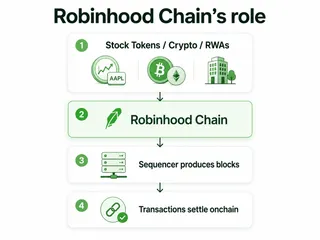
If block production stops: new onchain transactions can remain pending until sequencing resumes.
Importantly, Robinhood says the blockchain operates independently from its main brokerage and crypto accounts. The disruption therefore does not mean customers’ conventional Robinhood portfolios or brokerage trading went offline.
Outage arrives as chain activity accelerates
The timing makes the incident more notable.
Robinhood Chain has grown rapidly since launch. Recent data showed decentralized-exchange activity rising sharply, while its DeFi ecosystem had accumulated more than $700 million in total value locked. Coinpaper recently examined how Robinhood Chain activity surged as trading applications and memecoins generated significant fee revenue.
Infrastructure around the chain has also expanded, with providers such as Chainstack adding mainnet node support and Robinhood promoting tokenized equities to international users.
| Mainnet launch | July 1, 2026 |
| Network type | Ethereum Layer 2 / Arbitrum |
| Native gas token | ETH |
| Main use case | Tokenized assets and onchain finance |
| Friday disruption | More than 10 minutes without blocks |
| Current status | Operational |
| Cause | Not publicly disclosed |
The outage also lands as tokenized stocks themselves face heightened scrutiny. AMC CEO Adam Aron criticized Robinhood this week over tokens tracking AMC shares, highlighting a separate debate over investor rights and the structure of tokenized equities.
Meanwhile,Robinhood shares entered Friday after a 16.6% surge on Thursday, helped by Wall Street upgrades and enthusiasm around the company’s expanding product ecosystem.
A roughly 10–14 minute interruption is far from evidence that Robinhood’s blockchain strategy has failed. But for infrastructure designed to bring traditional financial assets onchain, the episode highlights a simple requirement that becomes more important as adoption grows:
financial-grade blockchains eventually have to demonstrate financial-grade uptime.



Be the first to comment