


The UAE is walking away from OPEC and the broader OPEC+ alliance, and it wants the world to know this isn’t about geopolitics. It’s about business.
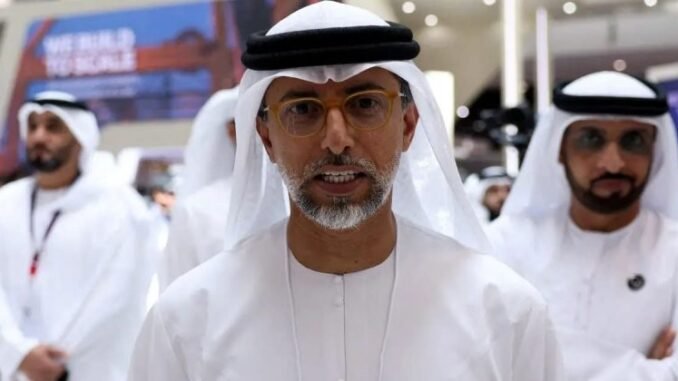
Energy Minister Suhail Mohamed Al Mazrouei has framed the withdrawal, effective May 1, as a sovereign strategic decision designed to give the country more flexibility over its own oil production. In practical terms, the UAE is tired of having its output capped by group quotas when it has the capacity, and the ambition, to produce significantly more.
What the UAE actually wants
UAE officials have linked the exit to internal strategic reviews that concluded OPEC quotas were actively constraining domestic industrial growth. The country’s “Make it in the Emirates” manufacturing strategy, which aims to build out a robust domestic industrial base, apparently requires more energy autonomy than OPEC membership allows.
Al Mazrouei has been careful to position this as a forward-looking economic play rather than a reaction to any specific diplomatic friction.

What OPEC loses
The UAE was OPEC’s third-largest producer. Its departure is not a rounding error.
Analysts estimate OPEC will lose around 15% of its total production capacity with the UAE out of the picture. That’s a significant hit to the group’s ability to function as a credible market manager.
Angola already left OPEC in late 2023 over quota disputes.
The broader strategic play
The “Make it in the Emirates” initiative is central to this logic. Building a domestic manufacturing sector requires cheap, abundant energy. It also requires the kind of policy certainty that comes from controlling your own production decisions. OPEC membership introduced a variable the UAE apparently decided it no longer wanted to deal with.



Be the first to comment