


XRP was designed to address one of global finance’s most persistent friction points — the inefficiency and cost of cross-border money transfers. By enabling near-instant settlement and significantly lower transaction fees compared to traditional banking rails, XRP positions itself as a bridge currency for global liquidity. Unlike many digital assets, its entire supply was pre-minted, and Ripple Labs has since concentrated its efforts on driving real-world utility through partnerships with banks, payment providers, and financial institutions across multiple jurisdictions, aiming to integrate blockchain-based settlement into existing financial infrastructure.
A major shift in sentiment came after a U.S. court ruling clarified that certain XRP transactions do not qualify as securities, a development that helped restore market confidence and reignite institutional and retail interest. This legal clarity contributed to a notable price reaction, with XRP briefly climbing to around $0.94 before stabilizing near the $0.82 range, reflecting a healthy correction after renewed optimism. At the same time, the ecosystem received another boost with the launch of the REX-Osprey XRP ETF (XRPR) on September 18, 2025, which created a regulated pathway for institutional exposure and broadened participation in the asset class.
Together, these developments have intensified discussions around XRP price prediction, with market participants increasingly evaluating its long-term trajectory in the context of regulatory clarity, institutional access, and real-world payment adoption. As liquidity channels expand and financial integrations deepen, the future price prediction of XRP continues to be closely linked not just to speculative cycles, but to how effectively it scales its role in global payments infrastructure over time.
Also Read: Ripple Transforming Cross-Border Payments

What Is Ripple (XRP) and Why Does Its Price Matter?
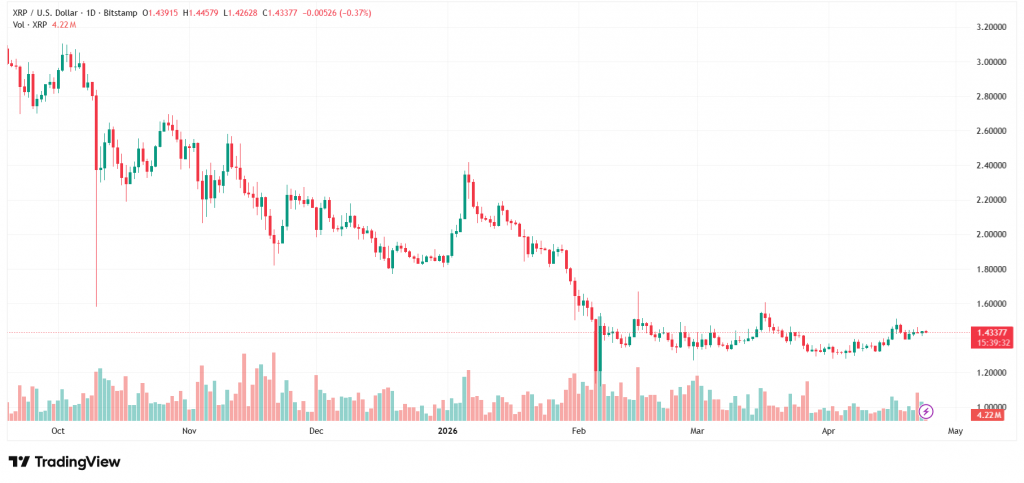
Ripple (XRP) is a digital asset built to facilitate fast, low-cost cross-border payments and liquidity transfer across financial networks. Unlike many crypto assets that primarily function as store-of-value or speculative assets, XRP is designed with a utility-first approach, acting as a bridge currency for institutions and payment providers.
The price of XRP matters because it directly impacts its efficiency in global settlements. A stable and liquid XRP market improves its usability for real-time currency exchange between financial institutions. This is why discussions around XRP price prediction are not just speculative in nature but are often tied to its real-world utility. Similarly, the future price prediction of XRP is closely linked to how widely it is adopted within banking and payment ecosystems.
Also Read: What is a Crypto Wallet?
Ripple Lawsuit With The SEC
Ripple’s prolonged legal battle with the U.S. Securities and Exchange Commission (SEC) marked a defining moment for the crypto industry. The dispute centered on accusations that Ripple had raised $1.3 billion through unregistered XRP sales—a claim the company chose to challenge head-on, seeking clearer regulatory interpretation rather than settling.
The turning point came when the court ruled that XRP’s programmatic sales on public exchanges did not qualify as securities, pushing the token’s price close to $0.94. However, the SEC earned a partial victory, as institutional sales exceeding $700 million were deemed in violation of securities laws.
Additional clarity arrived in August 2024, when the court confirmed that secondary market XRP transactions are not securities. Ripple, initially fined $125 million, ultimately settled for $50 million in 2025 and agreed to improve transparency in institutional dealings through 2029.
For Ripple, the outcome restored market trust and solidified its standing in the global payments space. For the broader crypto sector, it represented a milestone, offering much-needed regulatory guidance and setting a precedent for how digital assets may be treated in the years ahead.
XRP Technical Indicators
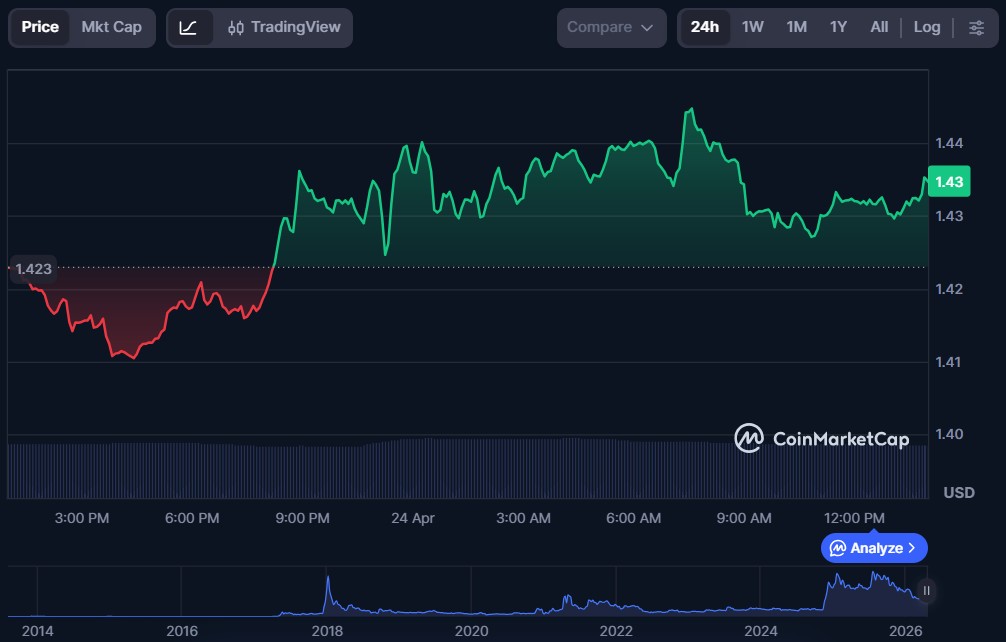
| Current Price | $1.43 |
| Market Capitalization | $88.35 billion |
| 24 Hour Volume | $2.36 billion |
| 50 Day SMA (1 Day) | $1.38827 |
| 100 Day SMA (1 Day) | $1.48947 |
| 200 Day SMA (1 Day) | $1.84643 |
| 14-Day Relative Strength Index (1 Day) | 56.25665 |
| All-Time High | $3.66596 |
| Circulating Supply | 61.56 billion |
Key Factors That Influence XRP Price Predictions
XRP’s valuation is shaped by a combination of regulatory clarity, adoption trends, market dynamics, and macroeconomic conditions. Each of these factors plays a role in shaping both short-term movements and long-term XRP price prediction models:
Regulatory Developments and Legal Outcomes
Regulation is one of the most influential drivers of XRP’s price behavior. Legal clarity, especially regarding its classification as a non-security in certain jurisdictions, has historically triggered strong market reactions. Positive rulings tend to improve investor confidence, while uncertainty can suppress momentum. As regulatory frameworks evolve globally, they continue to shape expectations around the future price prediction of XRP.
Also Read: What is Crypto Staking? Learn How to Earn Crypto!
Institutional Adoption and Banking Partnerships
XRP’s core value proposition lies in institutional usage. Partnerships with banks, remittance providers, and financial networks significantly enhance its utility. Increased adoption strengthens demand for XRP as a liquidity tool, which in turn supports bullish XRP price prediction models. The broader the integration into global payment systems, the more stable its long-term valuation outlook becomes.
Supply and Demand Dynamics
XRP has a fixed supply, which means its price is heavily influenced by circulating supply, escrow releases, and market demand. Any increase in utility-driven demand—such as cross-border settlement usage—can create upward pressure on price. Conversely, reduced demand or increased supply circulation can impact valuations negatively. These dynamics remain central to any XRP price prediction framework.
Global Macroeconomic Conditions
Broader financial conditions such as inflation, interest rates, liquidity cycles, and risk appetite also influence XRP’s market performance. In risk-on environments, digital assets like XRP often experience increased inflows, while tightening monetary conditions can reduce speculative interest. These macro trends are frequently factored into long-term future price prediction of XRP analyses.
Role of Technical Analysis in XRP Price Forecasts
Technical analysis plays a crucial role in short- to medium-term XRP price prediction by helping traders identify trends, momentum shifts, and potential entry or exit points. While it does not account for fundamental developments, it provides valuable insights into market behavior:
Moving Averages
Moving averages help smooth out price fluctuations and identify trend direction. Commonly used indicators like the 50-day and 200-day moving averages are used to determine whether XRP is in a bullish or bearish phase. Crossovers between these averages are often interpreted as early signals in XRP price prediction strategies.
Relative Strength Index (RSI)
RSI measures the speed and magnitude of price movements to identify overbought or oversold conditions. A high RSI may indicate potential price correction, while a low RSI can suggest accumulation opportunities. Traders often use RSI to refine short-term XRP price prediction models.
MACD Indicator
The Moving Average Convergence Divergence (MACD) indicator helps identify momentum shifts by comparing short-term and long-term price trends. Bullish or bearish crossovers in MACD lines are widely used to anticipate potential trend reversals in XRP markets.
XRP Price Prediction Models Explained
Beyond charts and indicators, analysts use structured models to estimate XRP’s potential valuation. These models combine on-chain data, sentiment analysis, and real-world adoption metrics to build a more comprehensive XRP price prediction outlook:
On-Chain Analysis Models
On-chain models examine blockchain activity such as transaction volume, wallet growth, and network usage. Higher transaction activity often signals increasing utility, which can positively influence long-term future price prediction of XRP.
Market Sentiment Indicators
Sentiment analysis tracks investor psychology through social media trends, news impact, and derivatives market positioning. Positive sentiment cycles often correlate with upward momentum, while fear-driven markets can suppress prices regardless of fundamentals.
Adoption and Utility Metrics
This model evaluates real-world usage, including institutional partnerships, payment integrations, and remittance flows. Since XRP is utility-driven, adoption metrics are considered one of the most important factors in shaping long-term XRP price prediction scenarios. Stronger utility adoption generally supports more optimistic future price prediction of XRP outcomes.
Price Predictions
2026
For 2026, XRP is projected to approach the $5 mark, reflecting continued optimism around its adoption and utility.
2027
Heading into 2027, forecasts suggest XRP could climb further, potentially reaching highs of around $5.50.
2028
By 2028, the upward trajectory is expected to strengthen, with XRP possibly touching the $8 level.
2029
Looking ahead to 2029, projections indicate a more substantial rally, with XRP potentially rising to approximately $12.5.
2030
By 2030, long-term estimates point toward XRP reaching nearly $16.50, assuming sustained growth and broader market ar, although macroeconomic headwinds might lead to short-term pullbacks toward $2.47. Even so, projections indicate an average trading range around $2.90, signaling a cautiously optimistic outlook as XRP maintains its momentum within the evolving digital asset ecosystem.
Also Read: Ethereum Price Prediction
Risks and Uncertainties in XRP Price Predictions
XRP price prediction models, while insightful, are inherently exposed to a range of uncertainties that can quickly shift market direction. Regulatory developments remain one of the most significant variables, as evolving legal frameworks across jurisdictions can influence how XRP is classified, traded, and adopted. Even with recent clarity in certain regions, the global regulatory landscape is far from uniform, making the future price prediction of XRP sensitive to sudden policy changes or enforcement actions.
Beyond regulation, market-driven risks such as volatility, liquidity shifts, and macroeconomic conditions play a crucial role. XRP’s price can be impacted by broader crypto market sentiment, interest rate cycles, and global risk appetite, often moving independently of its core utility. Additionally, reliance on institutional adoption introduces execution risk—if partnerships or real-world use cases fail to scale as expected, it could limit long-term growth, making any XRP price prediction subject to significant variability.
How Investors Use XRP Price Predictions in Crypto Strategies
Investors typically use XRP price prediction as a guiding framework rather than a definitive outcome, incorporating it into a broader strategy that balances risk and opportunity. For short-term traders, these predictions help identify potential price trends, entry points, and exit levels, especially when combined with technical indicators and momentum signals. This approach allows traders to navigate volatility while staying aligned with prevailing market sentiment.
For long-term participants, the future price prediction of XRP is assessed alongside fundamental factors such as adoption, regulatory clarity, and overall market evolution. These insights help shape portfolio allocation and holding strategies, ensuring that investment decisions are not solely driven by speculation. By combining predictive models with disciplined risk management, investors aim to stay adaptable in a rapidly changing crypto landscape.
Is XRP a Good Investment?
With the SEC dispute largely resolved, XRP has regained its standing as a significant crypto asset. The legal clarity has bolstered investor confidence, yet price fluctuations remain a constant feature of the market. Similar to other crypto assets, XRP is prone to sharp movements in either direction. For investors, the best approach is caution: ensure allocations match your risk tolerance and make decisions grounded in careful research rather than short-term hype.
Also Read: Crypto Trading Strategies
Should I Invest in XRP?
As the crypto investment landscape expands, XRP is earning greater recognition from financial institutions, particularly for its efficiency in cross-border payments and remittances. Its recent legal victory over the SEC has further strengthened its position, paving the way for broader adoption and heightened visibility. With more crypto exchanges adding XRP to their listings, the token’s value may see significant upside.
That said, it’s essential to conduct thorough research on XRP and the wider crypto market before investing. This content is for informational purposes only and should not be considered investment advice.
Also Read: Bitcoin Price Prediction
In the grand scheme of things, ZebPay blogs are here to provide you with crypto wisdom. Get started today and join 6 million+ registered users to explore endless features on ZebPay!
FAQs on Price Prediction XRP
What factors influence XRP price predictions?
XRP price prediction is influenced by a mix of regulatory developments, institutional adoption, market demand, and broader crypto sentiment. Legal clarity, especially in major markets, often plays a decisive role in shaping investor confidence and price direction.
Additionally, factors like liquidity, macroeconomic trends, and real-world usage in cross-border payments contribute to how analysts form the future price prediction of XRP. No single factor works in isolation—it’s the combined impact that drives price expectations.
How does the Ripple lawsuit affect XRP price forecasts?
The Ripple lawsuit has been one of the most defining elements in XRP price prediction over the past few years. Positive legal developments have historically triggered bullish momentum, while uncertainty has led to cautious or bearish outlooks.
As clarity improves, analysts tend to revise the future price prediction of XRP upward, factoring in renewed institutional participation and reduced regulatory risk. However, any unexpected legal developments can still influence forecasts significantly.
How reliable are XRP price prediction models?
XRP price prediction models provide structured insights, but they are not guarantees of future performance. These models rely on historical data, technical indicators, and assumptions about adoption and market behavior, which may not always hold true.
The future price prediction of XRP should therefore be viewed as a probability-based estimate rather than a certainty. Investors often use multiple models and cross-check assumptions before forming conclusions.
What role does institutional adoption play in XRP’s price?
Institutional adoption is central to XRP price prediction because the asset is designed for enterprise-level payment solutions. Increased usage by banks and financial institutions can drive consistent demand and strengthen price stability.
As adoption grows, the future price prediction of XRP becomes more closely tied to real-world utility rather than speculation alone. This makes institutional participation a key long-term growth driver.
How do analysts use technical indicators to predict XRP prices?
Analysts use technical tools such as moving averages, RSI, and MACD to identify trends and potential price movements. These indicators help in forming short-term XRP price prediction strategies by analyzing momentum and historical price behavior.
While technical analysis is useful, it is often combined with fundamental insights to build a more balanced future price prediction of XRP, especially in volatile market conditions.
Can XRP reach higher price levels in the future?
Many XRP price prediction scenarios suggest the potential for higher price levels, particularly if adoption continues to expand and regulatory clarity strengthens globally. Market cycles and institutional inflows can also contribute to upward momentum.
However, the future price prediction of XRP depends on multiple evolving factors, including competition, innovation, and macroeconomic conditions, making long-term outcomes dynamic rather than fixed.
What risks should investors consider when investing in XRP?
Investors should consider regulatory uncertainty, market volatility, and dependency on adoption when evaluating XRP price prediction scenarios. Sudden shifts in policy or sentiment can lead to sharp price movements.
The future price prediction of XRP also carries risks related to competition from other blockchain solutions and changing financial infrastructures. A well-balanced approach with proper risk management is essential when investing.
Disclaimer:
Crypto products and NFTs are unregulated and can be highly risky. There may be no regulatory recourse for any loss from such transactions. Each investor must do his/her own research or seek independent advice if necessary before initiating any transactions in crypto products and NFTs. The views, thoughts, and opinions expressed in the article belong solely to the author, and not to ZebPay or the author’s employer or other groups or individuals. ZebPay shall not be held liable for any acts or omissions, or losses incurred by the investors. ZebPay has not received any compensation in cash or kind for the above article and the article is provided “as is”, with no guarantee of completeness, accuracy, timeliness or of the results obtained from the use of this information.



Be the first to comment