



XRP’s growing market presence is now meeting broader access through regulated financial infrastructure. On the 7th of October, Paxos, a regulated blockchain infrastructure platform, announced that it would be adding Ripple [XRP] to their crypto brokerage platform.
XRP now spans over 8.1 million wallets utilizing XRP, while the total market value exceeds $95 billion. Moreover, all partners who utilize the platform can allow customers to buy, sell, hold, deposit, and withdraw XRP.
As a result, this eliminates the need for each partner to create their own unique custody and settlement platforms.
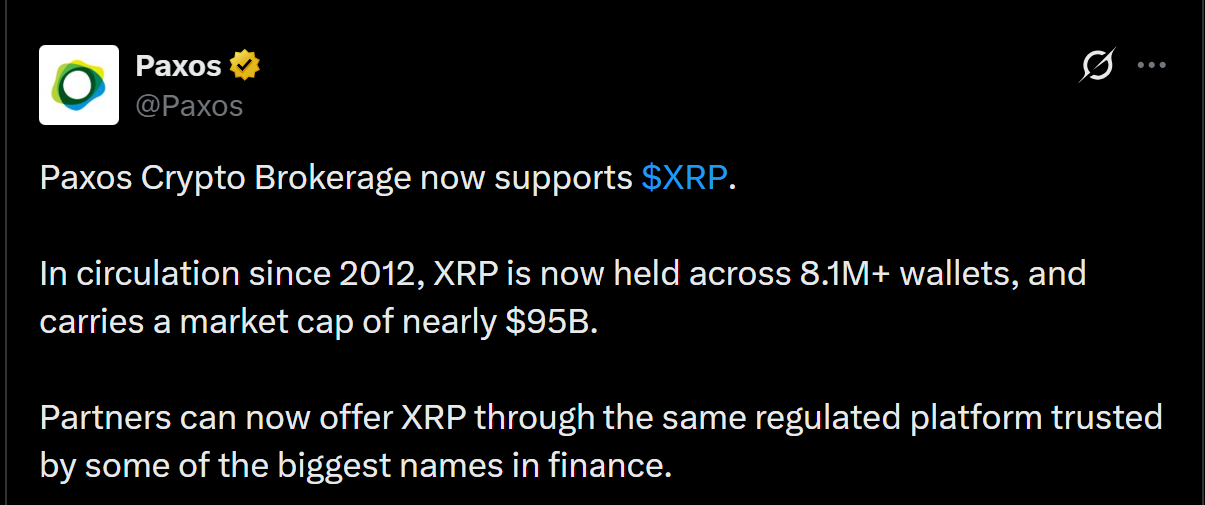
Paxos also runs the service through its regulated trust framework. That service provides an additional channel to the XRP ledger for institutions.

However, the success of this initiative is dependent upon the number of partners who choose to actively use XRP and facilitate customer engagement with the asset.
Ripple pushes into Wall Street
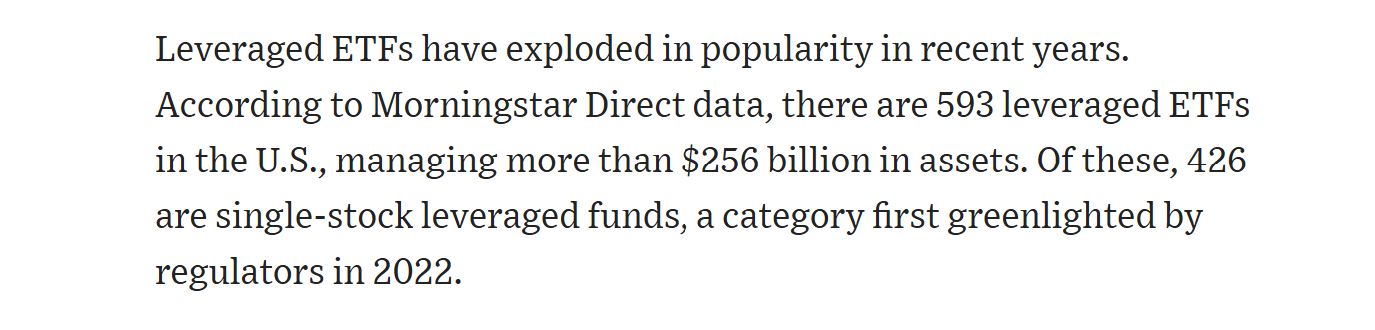
That broader institutional push is now reaching deeper into traditional markets, where Ripple is targeting the financing layer behind leveraged ETFs. Through Ripple Prime, the firm finances swaps that ETF managers use to amplify daily stock returns.
As a result of the expansion of the size of this market, there are currently 593 leveraged ETFs listed in the United States, with over $256 billion in assets. Ripple’s ability to finance these swaps was acquired through their $1.25 billion purchase of Hidden Road, Inc.
This added a comprehensive set of prime brokerage capabilities, including clearing, funding, and other financial services.
Moreover, it gives XRP an opening as banks face tighter capital constraints and newer ETF managers seek alternative financing. The revenue potential is also significant, with one fund paying roughly 8% annually.
On the other hand, there are risks related to extreme price movements that may lead to large losses for counterparties. In light of these risks, Ripple may be positioned to further enhance its footprint on Wall Street but simultaneously take on additional financial risk.
Can Paxos expand XRP adoption?
That said, moving forward, the next test is whether the infrastructure will translate into reliable demand. This is simply because regulated access means little without measurable XRP activity. Paxos has only just enabled the asset, leaving no partner-level volume to assess yet.
Meanwhile, U.S. spot XRP ETFs hold about 1.18 billion XRP, worth roughly $1.7 billion. That provides an existing benchmark for regulated demand. Yet XRP Ledger activity remains concentrated, with daily transactions often exceeding two million while active addresses stay relatively low.
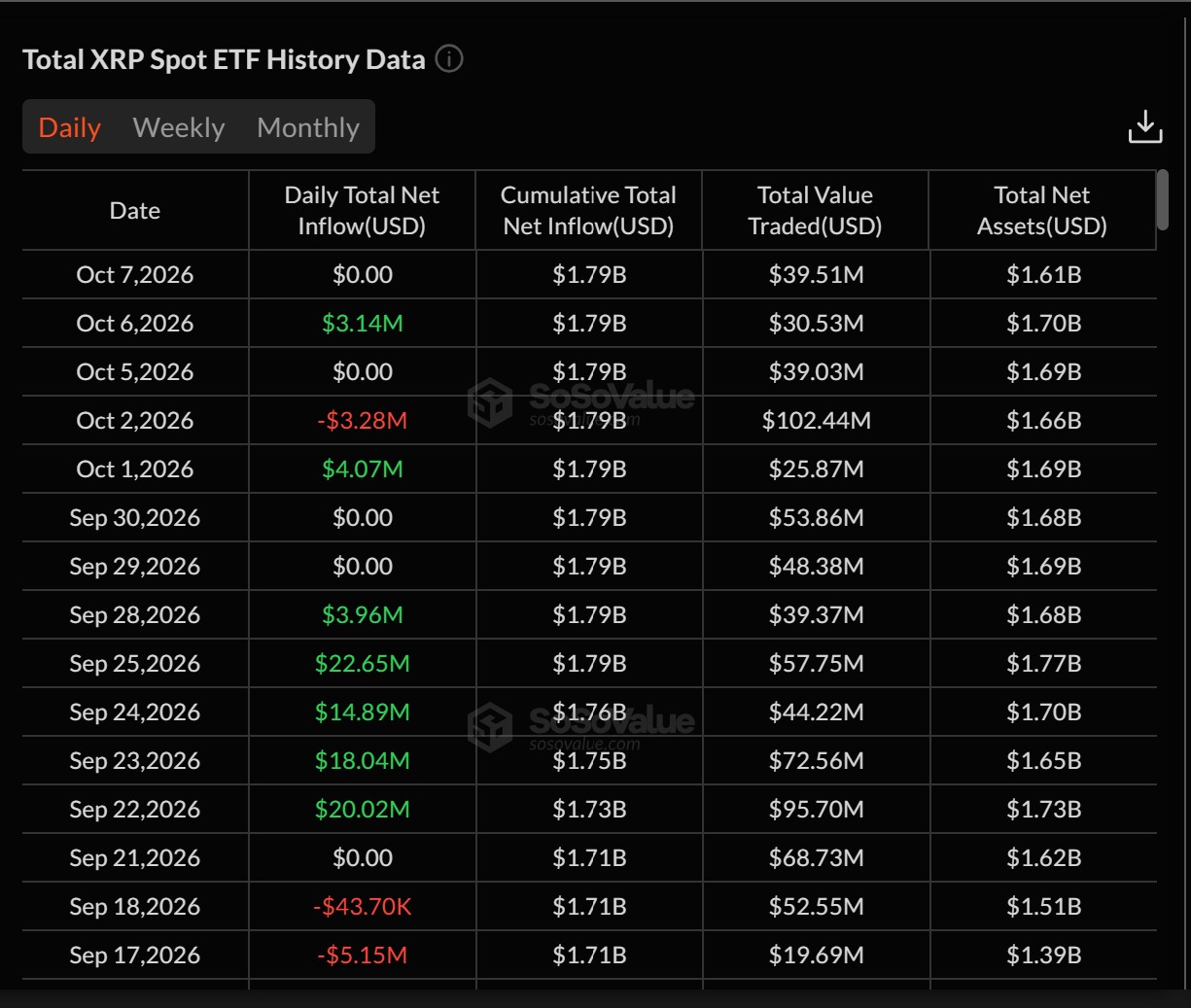
Therefore, Paxos needs to expand participation rather than simply add another access route. Rising partner volumes, institutional holdings, and active addresses would show that easier access is creating broader XRP demand.
That would turn Paxos’ infrastructure upgrade into measurable adoption.
Final Summary
- Ripple gains regulated institutional access through Paxos, expanding its potential reach across financial platforms.
- XRP needs stronger partner adoption and on-chain activity to turn broader access into sustained demand.



Be the first to comment